Buy hrcafe.eu ?
We are moving the project
hrcafe.eu .
Are you interested in purchasing the domain
hrcafe.eu ?
domain@kv-gmbh.de · 0541-91531010
Buy hrcafe.eu ?
What is the connection between Buddhism, hair culture, and clothing?
Buddhism, hair culture, and clothing are interconnected through the concept of modesty and simplicity. In Buddhism, adherents often practice modesty and simplicity in their appearance, which can be reflected in their hair culture and clothing choices. For example, some Buddhist monks and nuns shave their heads as a symbol of renunciation of worldly attachments and to maintain simplicity. Additionally, Buddhist teachings emphasize the importance of modest and simple clothing, as a way to reduce attachment to material possessions and to promote humility. Overall, the connection between Buddhism, hair culture, and clothing lies in the shared values of modesty, simplicity, and detachment from worldly desires. **
What are the benefits of Buddhism for its followers?
Buddhism offers several benefits for its followers. Firstly, it provides a practical framework for living a peaceful and harmonious life through its teachings on mindfulness, compassion, and non-attachment. Secondly, it offers a path to inner peace and enlightenment through meditation and self-reflection. Additionally, Buddhism encourages ethical behavior and personal development, leading to a sense of purpose and fulfillment. Finally, it provides a sense of community and support through the sangha, or Buddhist community, which can offer guidance and companionship on the spiritual journey. **


Similar search terms for Buddhism
Top-Angebote
Products related to Buddhism:
-
Uplifted Finds Predatory Engagement Wrestling Puppet Hub Predatory Engagement Wrestling Puppet HubTransform interactive play with the PredatoryEngagement Puppet, a professionalgrade interaction module engineered with manualsimulation logic. This highutility tool features a reinforced plush architecture and poseable limbs, specifically designed...85,97 $*Shipping: 0,00 $Secure redirect to the provider
-
DEVERA 6-Door Employee Storage Metal Locker for OfficeHighlights Ample Storage & Organization: Featuring six large compartments, this employee locker provides generous space for individualized storage. Suitable for various settings, including schools, homes, restaurants, garages, locker rooms, and dorms.259,99 $*Shipping: 0,00 $Secure redirect to the provider
-
Mobi Peeka Development MirrorPEEKA® developmental mirror was designed by our team of doctors, therapists and parents to help children explore, learn and grow. When you place PEEKA® in the hands of your little ones, you will be amazed at the variety of ways they find to play...26,99 $*Shipping: 0,00 $Secure redirect to the provider
-
Inspire Select Interactive Training Card Set Observation, Logic & Thinking Skill Development Puzzle Cards For Kids beginnerIntroduction Help young minds develop stronger focus, reasoning, and creativity with this engaging training card set designed for handson learning. Each card features fun, interactive challenges that build observation, memory, and problemsolving...39,98 $*Shipping: 0,00 $Secure redirect to the provider




-
What are the differences between Buddhism and Tibetan Buddhism?
Buddhism is a broader religion that encompasses various traditions and schools, while Tibetan Buddhism is a specific branch of Buddhism that developed in Tibet. Tibetan Buddhism incorporates elements of Tibetan culture, such as rituals, deities, and practices like chanting and visualization. It also places a strong emphasis on the teachings of Tibetan Buddhist masters and the importance of the Dalai Lama. Additionally, Tibetan Buddhism includes unique practices such as the use of prayer flags, prayer wheels, and mandalas. **
-
What is the difference between Buddhism and Zen Buddhism?
Buddhism is a broader religion and philosophy that encompasses a variety of traditions and practices, while Zen Buddhism is a specific school or branch of Mahayana Buddhism that emphasizes meditation and direct experience of enlightenment. Zen Buddhism places a strong emphasis on the practice of meditation (zazen) as a means to achieve enlightenment, while traditional Buddhism incorporates a wider range of practices such as chanting, rituals, and study of Buddhist scriptures. Additionally, Zen Buddhism often focuses on the teachings of specific Zen masters and the importance of the teacher-student relationship in transmitting wisdom and insight. **
-
Is Buddhism illogical?
Buddhism is not inherently illogical. It is a complex and diverse belief system that encompasses a wide range of philosophical and ethical teachings. While some aspects of Buddhist doctrine may seem counterintuitive or difficult to understand from a Western perspective, they are based on a different cultural and philosophical framework. Many Buddhist teachings emphasize the importance of critical thinking and personal experience, and encourage followers to question and explore their beliefs. Ultimately, whether Buddhism is considered logical or not may depend on one's own perspective and understanding of its teachings. **
-
What is the difference between Zen Buddhism and regular Buddhism?
The main difference between Zen Buddhism and regular Buddhism lies in their approach to meditation and enlightenment. Zen Buddhism, which originated in China and later developed in Japan, emphasizes the practice of meditation (zazen) as the primary means to attain enlightenment. It focuses on direct experience and intuitive understanding, often through the guidance of a teacher. Regular Buddhism, on the other hand, encompasses a variety of traditions and practices, with meditation being just one of them. It places more emphasis on the study of scriptures, ethical conduct, and the development of wisdom and compassion. While both Zen Buddhism and regular Buddhism share the same core teachings of the Four Noble Truths and the Eightfold Path, their methods and emphasis on practice differ. **

What is your Buddhism?
My Buddhism is a personal and spiritual practice that focuses on the teachings of the Buddha, such as the Four Noble Truths and the Eightfold Path. It is a path of self-discovery, mindfulness, compassion, and seeking to alleviate suffering in myself and others. I strive to cultivate a deep understanding of impermanence, interconnectedness, and the nature of reality, and to live a life guided by these principles. My Buddhism is a journey of continuous learning, growth, and seeking inner peace and enlightenment. **
Does Buddhism have karma?
Yes, Buddhism does have the concept of karma. In Buddhism, karma refers to the law of cause and effect, where one's actions and intentions have consequences that affect their future experiences. Good actions lead to positive karma and favorable outcomes, while negative actions lead to negative karma and unfavorable outcomes. The concept of karma is central to the Buddhist belief in the cycle of birth, death, and rebirth, known as samsara, and it emphasizes the importance of ethical behavior and mindfulness in shaping one's destiny. **
Top-Angebote
Products related to Buddhism:
-
Anker Plus Member BenefitsShipping Service Free Next-Day Shipping (1 Item per Month) Free Express Shipping (1 Item per Month) AnkerCredits Rewards Earn 1.5 AnkerCredits for Every $1 Spent (Upgraded Benefit) Access Exclusive Redemption Products Warranty Extra 6-month extended...99,99 $*Shipping: 0,00 $Secure redirect to the provider
-
DEVERA 9-Door Employee Storage Metal LockerHighlights Ample Storage & Organization: Featuring 9 large compartments, this employee locker provides generous space for individualized storage. Suitable for various settings, including schools, homes, restaurants, garages, locker rooms, and dorms.261,79 $*Shipping: 0,00 $Secure redirect to the provider
-
Uplifted Finds Predatory Engagement Wrestling Puppet Hub Predatory Engagement Wrestling Puppet HubTransform interactive play with the PredatoryEngagement Puppet, a professionalgrade interaction module engineered with manualsimulation logic. This highutility tool features a reinforced plush architecture and poseable limbs, specifically designed...85,97 $*Shipping: 0,00 $Secure redirect to the provider
-
DEVERA 6-Door Employee Storage Metal Locker for OfficeHighlights Ample Storage & Organization: Featuring six large compartments, this employee locker provides generous space for individualized storage. Suitable for various settings, including schools, homes, restaurants, garages, locker rooms, and dorms.259,99 $*Shipping: 0,00 $Secure redirect to the provider
-
What is the connection between Buddhism, hair culture, and clothing?
Buddhism, hair culture, and clothing are interconnected through the concept of modesty and simplicity. In Buddhism, adherents often practice modesty and simplicity in their appearance, which can be reflected in their hair culture and clothing choices. For example, some Buddhist monks and nuns shave their heads as a symbol of renunciation of worldly attachments and to maintain simplicity. Additionally, Buddhist teachings emphasize the importance of modest and simple clothing, as a way to reduce attachment to material possessions and to promote humility. Overall, the connection between Buddhism, hair culture, and clothing lies in the shared values of modesty, simplicity, and detachment from worldly desires. **
-
What are the benefits of Buddhism for its followers?
Buddhism offers several benefits for its followers. Firstly, it provides a practical framework for living a peaceful and harmonious life through its teachings on mindfulness, compassion, and non-attachment. Secondly, it offers a path to inner peace and enlightenment through meditation and self-reflection. Additionally, Buddhism encourages ethical behavior and personal development, leading to a sense of purpose and fulfillment. Finally, it provides a sense of community and support through the sangha, or Buddhist community, which can offer guidance and companionship on the spiritual journey. **
-
What are the differences between Buddhism and Tibetan Buddhism?
Buddhism is a broader religion that encompasses various traditions and schools, while Tibetan Buddhism is a specific branch of Buddhism that developed in Tibet. Tibetan Buddhism incorporates elements of Tibetan culture, such as rituals, deities, and practices like chanting and visualization. It also places a strong emphasis on the teachings of Tibetan Buddhist masters and the importance of the Dalai Lama. Additionally, Tibetan Buddhism includes unique practices such as the use of prayer flags, prayer wheels, and mandalas. **
-
What is the difference between Buddhism and Zen Buddhism?
Buddhism is a broader religion and philosophy that encompasses a variety of traditions and practices, while Zen Buddhism is a specific school or branch of Mahayana Buddhism that emphasizes meditation and direct experience of enlightenment. Zen Buddhism places a strong emphasis on the practice of meditation (zazen) as a means to achieve enlightenment, while traditional Buddhism incorporates a wider range of practices such as chanting, rituals, and study of Buddhist scriptures. Additionally, Zen Buddhism often focuses on the teachings of specific Zen masters and the importance of the teacher-student relationship in transmitting wisdom and insight. **
Similar search terms for Buddhism
-
Mobi Peeka Development MirrorPEEKA® developmental mirror was designed by our team of doctors, therapists and parents to help children explore, learn and grow. When you place PEEKA® in the hands of your little ones, you will be amazed at the variety of ways they find to play...26,99 $*Shipping: 0,00 $Secure redirect to the provider
-
Inspire Select Interactive Training Card Set Observation, Logic & Thinking Skill Development Puzzle Cards For Kids beginnerIntroduction Help young minds develop stronger focus, reasoning, and creativity with this engaging training card set designed for handson learning. Each card features fun, interactive challenges that build observation, memory, and problemsolving...39,98 $*Shipping: 0,00 $Secure redirect to the provider
-
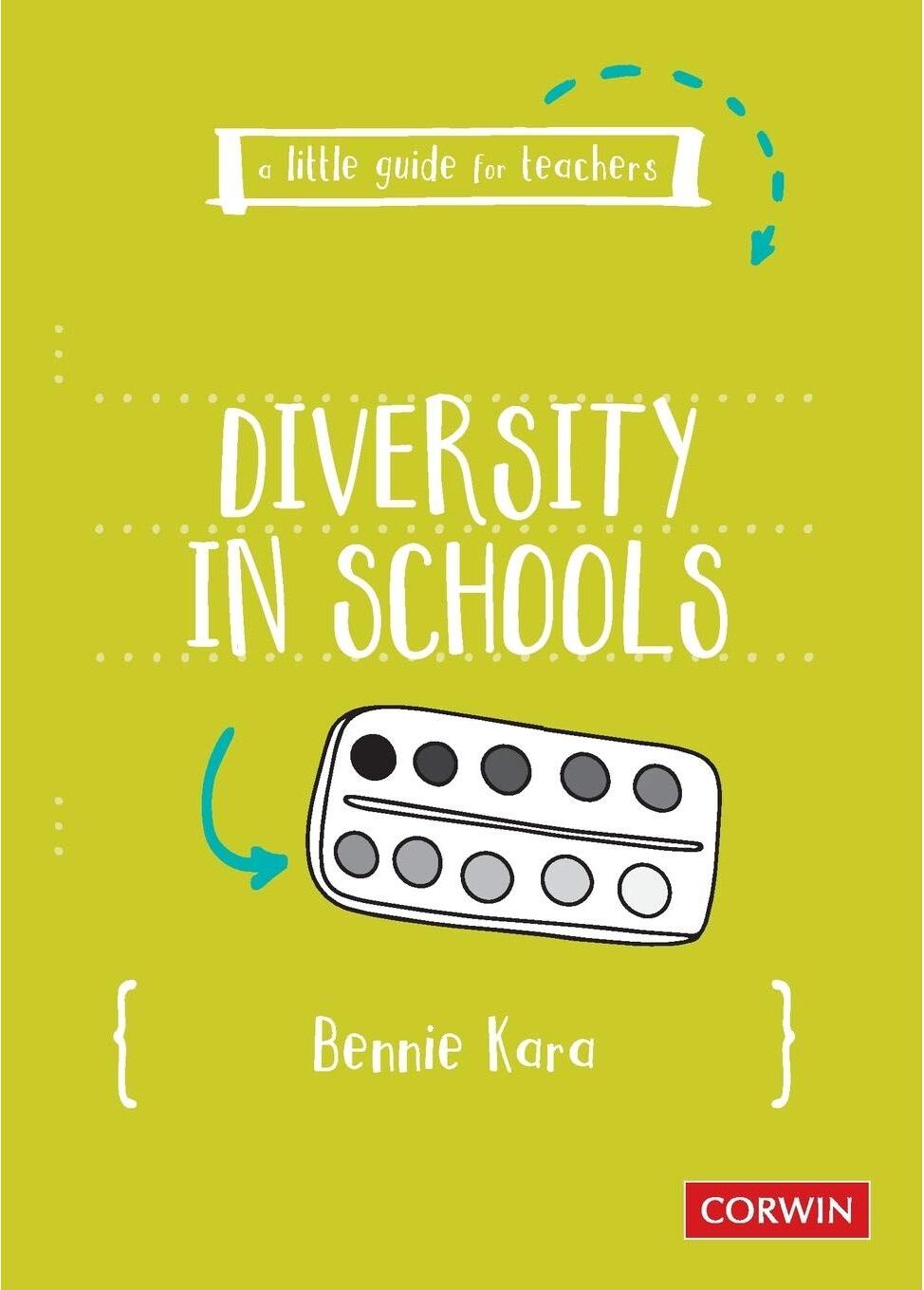
SAGE Publications A Little Guide for Teachers: Diversity in Schools (A Little Guide for Teachers)A Little Guide for Teachers: Diversity in Schools aims to provide starting points for teachers and leaders in creating a curriculum, either across disciplines or within subjects, that is as deep and diverse as their students. The Little Guide for Teachers series is little in size but BIG on all the support and inspiration you need to navigate your day to day life as a teacher. · Authored by experts in the field · Easy to dip in-and-out of · Interactive activities encourage you to write into the book and make it your own · Fun engaging illustrations throughout · Read in an afternoon or take as long as you like with it!12,99 £*Shipping: 2,99 £Secure redirect to the provider
-
L'Oreal Professionnel L'Oréal Professionnel Serie Expert Curl Expression 10 in 1 Benefits MSave on your favourite hair mousse with this exclusive double pack. Curl Expression 10 in 1 Benefits Mousse is a multi-benefit styling mouse designed to define and nourish curls and coils. The formula boasts unbeatable hydration for perfect hold and care and locks in essential moisture while providing game-changing definition, for endless weightless styles. Benefits: 1 Intensely hydrates curls and coils. 2 Makes hair more defined*. 3 Strengthens the hair fibre. 4 Protects hair against humidity. 5 Protects hair against heat, up to 230 C/450 F**. 6 Smooths hair. 7 Easy application. 8 Makes hair feel supple. 9 Protects hair from friction. 10 Works with multiple styling routines. Ingredients: AQUA / WATER / EAU ‚ ISOBUTANE ‚ CETEARYL ALCOHOL ‚ BUTANE ‚ GLYCERIN ‚ PROPANE ‚ POLYSORBATE 20 ‚ BEHENTRIMONIUM CHLORIDE ‚ PHENOXYETHANOL ‚ CETYL ESTERS ‚ ISOPROPYL ALCOHOL ‚ ETHYLHEXYLGLYCERIN ‚ SODIUM CITRATE ‚ HYDROXYETHYL UREA ‚ LIMONENE ‚ BENZYL SALICYLATE ‚ BENZYL ALCOHOL ‚ HIBISCUS ESCULENTUS SEED EXTRACT ‚ TOCOPHEROL ‚ PARFUM / FRAGRANCE. N285078/1.44,80 £*Shipping: 0,00 £Secure redirect to the provider
-
Is Buddhism illogical?
Buddhism is not inherently illogical. It is a complex and diverse belief system that encompasses a wide range of philosophical and ethical teachings. While some aspects of Buddhist doctrine may seem counterintuitive or difficult to understand from a Western perspective, they are based on a different cultural and philosophical framework. Many Buddhist teachings emphasize the importance of critical thinking and personal experience, and encourage followers to question and explore their beliefs. Ultimately, whether Buddhism is considered logical or not may depend on one's own perspective and understanding of its teachings. **
-
What is the difference between Zen Buddhism and regular Buddhism?
The main difference between Zen Buddhism and regular Buddhism lies in their approach to meditation and enlightenment. Zen Buddhism, which originated in China and later developed in Japan, emphasizes the practice of meditation (zazen) as the primary means to attain enlightenment. It focuses on direct experience and intuitive understanding, often through the guidance of a teacher. Regular Buddhism, on the other hand, encompasses a variety of traditions and practices, with meditation being just one of them. It places more emphasis on the study of scriptures, ethical conduct, and the development of wisdom and compassion. While both Zen Buddhism and regular Buddhism share the same core teachings of the Four Noble Truths and the Eightfold Path, their methods and emphasis on practice differ. **
-
What is your Buddhism?
My Buddhism is a personal and spiritual practice that focuses on the teachings of the Buddha, such as the Four Noble Truths and the Eightfold Path. It is a path of self-discovery, mindfulness, compassion, and seeking to alleviate suffering in myself and others. I strive to cultivate a deep understanding of impermanence, interconnectedness, and the nature of reality, and to live a life guided by these principles. My Buddhism is a journey of continuous learning, growth, and seeking inner peace and enlightenment. **
-
Does Buddhism have karma?
Yes, Buddhism does have the concept of karma. In Buddhism, karma refers to the law of cause and effect, where one's actions and intentions have consequences that affect their future experiences. Good actions lead to positive karma and favorable outcomes, while negative actions lead to negative karma and unfavorable outcomes. The concept of karma is central to the Buddhist belief in the cycle of birth, death, and rebirth, known as samsara, and it emphasizes the importance of ethical behavior and mindfulness in shaping one's destiny. **
* All prices are inclusive of VAT and, if applicable, plus shipping costs. The offer information is based on the details provided by the respective shop and is updated through automated processes. Real-time updates do not occur, so deviations can occur in individual cases. ** Note: Parts of this content were created by AI.