Buy hrcafe.eu ?
We are moving the project
hrcafe.eu .
Are you interested in purchasing the domain
hrcafe.eu ?
domain@kv-gmbh.de · 0541-91531010
Buy hrcafe.eu ?
What is the fractionation method?
Fractionation is a separation process used in various industries to separate a mixture into its individual components based on their different boiling points. This method involves heating the mixture to a specific temperature, causing the components with lower boiling points to vaporize and rise to the top of the fractionating column, while the components with higher boiling points remain in liquid form. The vaporized components are then condensed back into liquid form and collected as separate fractions. This process allows for the isolation of pure components from a complex mixture. **
Is the fractionation method the same as the separation method?
The fractionation method is a type of separation method. Fractionation involves separating a mixture into its individual components based on their different physical or chemical properties, such as boiling point, solubility, or molecular size. This process results in the formation of fractions, which are the individual components of the mixture. Therefore, while fractionation is a type of separation method, not all separation methods involve fractionation. **


Similar search terms for Fractionation
Top-Angebote
Products related to Fractionation:
-
Uplifted Finds Predatory Engagement Wrestling Puppet Hub Predatory Engagement Wrestling Puppet HubTransform interactive play with the PredatoryEngagement Puppet, a professionalgrade interaction module engineered with manualsimulation logic. This highutility tool features a reinforced plush architecture and poseable limbs, specifically designed...85,97 $*Shipping: 0,00 $Secure redirect to the provider
-
DEVERA 6-Door Employee Storage Metal Locker for OfficeHighlights Ample Storage & Organization: Featuring six large compartments, this employee locker provides generous space for individualized storage. Suitable for various settings, including schools, homes, restaurants, garages, locker rooms, and dorms.259,99 $*Shipping: 0,00 $Secure redirect to the provider
-
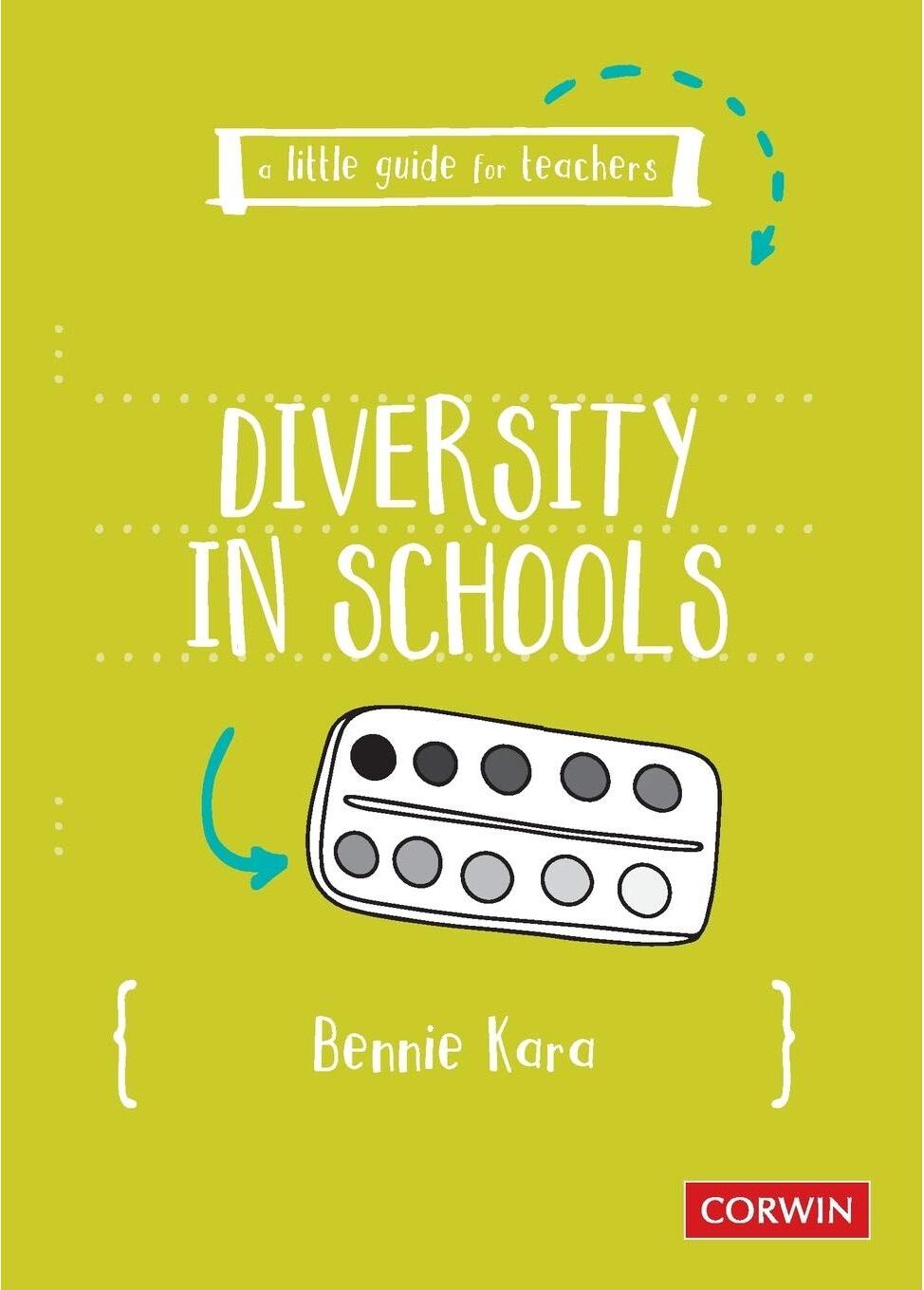
SAGE Publications A Little Guide for Teachers: Diversity in Schools (A Little Guide for Teachers)A Little Guide for Teachers: Diversity in Schools aims to provide starting points for teachers and leaders in creating a curriculum, either across disciplines or within subjects, that is as deep and diverse as their students. The Little Guide for Teachers series is little in size but BIG on all the support and inspiration you need to navigate your day to day life as a teacher. · Authored by experts in the field · Easy to dip in-and-out of · Interactive activities encourage you to write into the book and make it your own · Fun engaging illustrations throughout · Read in an afternoon or take as long as you like with it!12,99 £*Shipping: 2,99 £Secure redirect to the provider
-
Inspire Select Interactive Training Card Set Observation, Logic & Thinking Skill Development Puzzle Cards For Kids intermediateIntroduction Help young minds develop stronger focus, reasoning, and creativity with this engaging training card set designed for handson learning. Each card features fun, interactive challenges that build observation, memory, and problemsolving...40,98 $*Shipping: 0,00 $Secure redirect to the provider



-
Can you please help me with the isolation and fractionation of chloroplasts for photosynthesis?
Sure! Isolating and fractionating chloroplasts for photosynthesis involves several steps. First, you would need to extract chloroplasts from plant tissue using a buffer solution and a homogenizer. Then, you can use differential centrifugation to separate the chloroplasts from other cellular components based on their size and density. After that, you can use a sucrose density gradient to further purify and fractionate the chloroplasts based on their buoyant density. Finally, you can collect the chloroplast fractions and use them for studying photosynthesis. Keep in mind that this process requires careful handling and precise techniques to ensure the purity and functionality of the isolated chloroplasts. **
-
Can someone tell me the steps of cell fractionation by density gradient centrifugation with explanation?
Cell fractionation by density gradient centrifugation involves several steps: 1. Homogenization: The first step is to break open the cells and release their contents. This is typically done using a homogenizer or sonicator to disrupt the cell membranes. 2. Centrifugation: The homogenized cell suspension is then centrifuged at a low speed to remove large debris and unbroken cells. This step separates the homogenate into different fractions based on size and density. 3. Density gradient formation: A density gradient solution, such as sucrose or cesium chloride, is prepared and layered in a centrifuge tube. The gradient is formed by layering solutions of increasing density from the bottom to the top of the tube. 4. Centrifugation: The cell homogenate is then layered on top of the density gradient and centrifuged at high speeds. During centrifugation, the different cellular components separate based on their density and form distinct bands within the gradient. **
-
What is the diversity development field?
The diversity development field focuses on creating and promoting inclusive environments within organizations. It involves implementing strategies and programs to support diversity, equity, and inclusion, as well as addressing issues related to bias, discrimination, and inequality. This field also encompasses training, education, and advocacy efforts to foster a culture of respect and belonging for individuals from diverse backgrounds. Overall, the diversity development field aims to create positive and equitable experiences for all members of an organization. **
-
Can someone provide me with the steps of cell fractionation by density gradient centrifugation with explanation?
Cell fractionation by density gradient centrifugation involves separating cellular components based on their density. The steps are as follows: 1. Homogenize the cells to break them open and release their contents. 2. Centrifuge the homogenate at low speed to remove large debris and nuclei. 3. Layer the supernatant on top of a density gradient medium in a centrifuge tube. 4. Centrifuge the tube at high speed, causing cellular components to separate based on their density, with heavier components sinking to the bottom and lighter components staying towards the top. 5. Collect the fractions at different density levels and analyze them to isolate specific cellular components. This method allows for the separation of organelles and other cellular components based on their density, providing researchers with purified fractions for further analysis. **


What are the benefits of diversity?
Diversity brings a variety of perspectives, experiences, and ideas to the table, which can lead to more creative and innovative solutions to problems. It also fosters a more inclusive and welcoming environment, where individuals feel valued and respected for their unique backgrounds and identities. Additionally, diversity can lead to a more well-rounded and comprehensive understanding of different cultures and communities, which can help bridge gaps and promote understanding and empathy. Overall, embracing diversity can lead to a more dynamic and enriching society and workplace. **
Is cultural diversity a prerequisite for understanding one's own culture?
Cultural diversity can provide valuable perspectives and insights that can enhance one's understanding of their own culture. By interacting with people from different cultural backgrounds, individuals can gain a deeper appreciation for their own cultural norms, values, and traditions. Exposure to diverse cultures can also challenge assumptions and biases, leading to a more critical and nuanced understanding of one's own cultural identity. However, while cultural diversity can be beneficial in this regard, it is not necessarily a prerequisite for understanding one's own culture, as individuals can also develop a strong sense of cultural identity through introspection, education, and engagement with their own community. **
Top-Angebote
Products related to Fractionation:
-
Anker Plus Member BenefitsShipping Service Free Next-Day Shipping (1 Item per Month) Free Express Shipping (1 Item per Month) AnkerCredits Rewards Earn 1.5 AnkerCredits for Every $1 Spent (Upgraded Benefit) Access Exclusive Redemption Products Warranty Extra 6-month extended...99,99 $*Shipping: 0,00 $Secure redirect to the provider
-
DEVERA 9-Door Employee Storage Metal LockerHighlights Ample Storage & Organization: Featuring 9 large compartments, this employee locker provides generous space for individualized storage. Suitable for various settings, including schools, homes, restaurants, garages, locker rooms, and dorms.288,57 $*Shipping: 0,00 $Secure redirect to the provider
-
Uplifted Finds Predatory Engagement Wrestling Puppet Hub Predatory Engagement Wrestling Puppet HubTransform interactive play with the PredatoryEngagement Puppet, a professionalgrade interaction module engineered with manualsimulation logic. This highutility tool features a reinforced plush architecture and poseable limbs, specifically designed...85,97 $*Shipping: 0,00 $Secure redirect to the provider
-
DEVERA 6-Door Employee Storage Metal Locker for OfficeHighlights Ample Storage & Organization: Featuring six large compartments, this employee locker provides generous space for individualized storage. Suitable for various settings, including schools, homes, restaurants, garages, locker rooms, and dorms.259,99 $*Shipping: 0,00 $Secure redirect to the provider
-
What is the fractionation method?
Fractionation is a separation process used in various industries to separate a mixture into its individual components based on their different boiling points. This method involves heating the mixture to a specific temperature, causing the components with lower boiling points to vaporize and rise to the top of the fractionating column, while the components with higher boiling points remain in liquid form. The vaporized components are then condensed back into liquid form and collected as separate fractions. This process allows for the isolation of pure components from a complex mixture. **
-
Is the fractionation method the same as the separation method?
The fractionation method is a type of separation method. Fractionation involves separating a mixture into its individual components based on their different physical or chemical properties, such as boiling point, solubility, or molecular size. This process results in the formation of fractions, which are the individual components of the mixture. Therefore, while fractionation is a type of separation method, not all separation methods involve fractionation. **
-
Can you please help me with the isolation and fractionation of chloroplasts for photosynthesis?
Sure! Isolating and fractionating chloroplasts for photosynthesis involves several steps. First, you would need to extract chloroplasts from plant tissue using a buffer solution and a homogenizer. Then, you can use differential centrifugation to separate the chloroplasts from other cellular components based on their size and density. After that, you can use a sucrose density gradient to further purify and fractionate the chloroplasts based on their buoyant density. Finally, you can collect the chloroplast fractions and use them for studying photosynthesis. Keep in mind that this process requires careful handling and precise techniques to ensure the purity and functionality of the isolated chloroplasts. **
-
Can someone tell me the steps of cell fractionation by density gradient centrifugation with explanation?
Cell fractionation by density gradient centrifugation involves several steps: 1. Homogenization: The first step is to break open the cells and release their contents. This is typically done using a homogenizer or sonicator to disrupt the cell membranes. 2. Centrifugation: The homogenized cell suspension is then centrifuged at a low speed to remove large debris and unbroken cells. This step separates the homogenate into different fractions based on size and density. 3. Density gradient formation: A density gradient solution, such as sucrose or cesium chloride, is prepared and layered in a centrifuge tube. The gradient is formed by layering solutions of increasing density from the bottom to the top of the tube. 4. Centrifugation: The cell homogenate is then layered on top of the density gradient and centrifuged at high speeds. During centrifugation, the different cellular components separate based on their density and form distinct bands within the gradient. **
Similar search terms for Fractionation
-
SAGE Publications A Little Guide for Teachers: Diversity in Schools (A Little Guide for Teachers)A Little Guide for Teachers: Diversity in Schools aims to provide starting points for teachers and leaders in creating a curriculum, either across disciplines or within subjects, that is as deep and diverse as their students. The Little Guide for Teachers series is little in size but BIG on all the support and inspiration you need to navigate your day to day life as a teacher. · Authored by experts in the field · Easy to dip in-and-out of · Interactive activities encourage you to write into the book and make it your own · Fun engaging illustrations throughout · Read in an afternoon or take as long as you like with it!12,99 £*Shipping: 2,99 £Secure redirect to the provider
-
Inspire Select Interactive Training Card Set Observation, Logic & Thinking Skill Development Puzzle Cards For Kids intermediateIntroduction Help young minds develop stronger focus, reasoning, and creativity with this engaging training card set designed for handson learning. Each card features fun, interactive challenges that build observation, memory, and problemsolving...40,98 $*Shipping: 0,00 $Secure redirect to the provider
-
What is the diversity development field?
The diversity development field focuses on creating and promoting inclusive environments within organizations. It involves implementing strategies and programs to support diversity, equity, and inclusion, as well as addressing issues related to bias, discrimination, and inequality. This field also encompasses training, education, and advocacy efforts to foster a culture of respect and belonging for individuals from diverse backgrounds. Overall, the diversity development field aims to create positive and equitable experiences for all members of an organization. **
-
Can someone provide me with the steps of cell fractionation by density gradient centrifugation with explanation?
Cell fractionation by density gradient centrifugation involves separating cellular components based on their density. The steps are as follows: 1. Homogenize the cells to break them open and release their contents. 2. Centrifuge the homogenate at low speed to remove large debris and nuclei. 3. Layer the supernatant on top of a density gradient medium in a centrifuge tube. 4. Centrifuge the tube at high speed, causing cellular components to separate based on their density, with heavier components sinking to the bottom and lighter components staying towards the top. 5. Collect the fractions at different density levels and analyze them to isolate specific cellular components. This method allows for the separation of organelles and other cellular components based on their density, providing researchers with purified fractions for further analysis. **
-
What are the benefits of diversity?
Diversity brings a variety of perspectives, experiences, and ideas to the table, which can lead to more creative and innovative solutions to problems. It also fosters a more inclusive and welcoming environment, where individuals feel valued and respected for their unique backgrounds and identities. Additionally, diversity can lead to a more well-rounded and comprehensive understanding of different cultures and communities, which can help bridge gaps and promote understanding and empathy. Overall, embracing diversity can lead to a more dynamic and enriching society and workplace. **
-
Is cultural diversity a prerequisite for understanding one's own culture?
Cultural diversity can provide valuable perspectives and insights that can enhance one's understanding of their own culture. By interacting with people from different cultural backgrounds, individuals can gain a deeper appreciation for their own cultural norms, values, and traditions. Exposure to diverse cultures can also challenge assumptions and biases, leading to a more critical and nuanced understanding of one's own cultural identity. However, while cultural diversity can be beneficial in this regard, it is not necessarily a prerequisite for understanding one's own culture, as individuals can also develop a strong sense of cultural identity through introspection, education, and engagement with their own community. **
* All prices are inclusive of VAT and, if applicable, plus shipping costs. The offer information is based on the details provided by the respective shop and is updated through automated processes. Real-time updates do not occur, so deviations can occur in individual cases. ** Note: Parts of this content were created by AI.