Buy hrcafe.eu ?
We are moving the project
hrcafe.eu .
Are you interested in purchasing the domain
hrcafe.eu ?
domain@kv-gmbh.de · 0541-91531010
Buy hrcafe.eu ?
Isn't geology a science?
Yes, geology is a science that focuses on the study of the Earth's structure, composition, and processes. Geologists use scientific methods to understand the history of the Earth, including the formation of rocks, minerals, and landforms, as well as the processes that shape the planet's surface. By applying principles of physics, chemistry, and biology, geologists seek to explain natural phenomena and make predictions about the Earth's future. Overall, geology is a scientific discipline that contributes to our understanding of the natural world. **
What is interesting about geology?
Geology is interesting because it allows us to understand the Earth's history and processes, including the formation of mountains, the movement of tectonic plates, and the creation of natural resources such as oil and minerals. It also helps us predict and understand natural disasters like earthquakes and volcanic eruptions. Additionally, studying geology can provide insights into climate change and environmental issues, as well as help us locate and manage important natural resources. **


Similar search terms for Geology
Top-Angebote
Products related to Geology:
-
Uplifted Finds Predatory Engagement Wrestling Puppet Hub Predatory Engagement Wrestling Puppet HubTransform interactive play with the PredatoryEngagement Puppet, a professionalgrade interaction module engineered with manualsimulation logic. This highutility tool features a reinforced plush architecture and poseable limbs, specifically designed...85,97 $*Shipping: 0,00 $Secure redirect to the provider
-
DEVERA 6-Door Employee Storage Metal Locker for OfficeHighlights Ample Storage & Organization: Featuring six large compartments, this employee locker provides generous space for individualized storage. Suitable for various settings, including schools, homes, restaurants, garages, locker rooms, and dorms.259,99 $*Shipping: 0,00 $Secure redirect to the provider
-
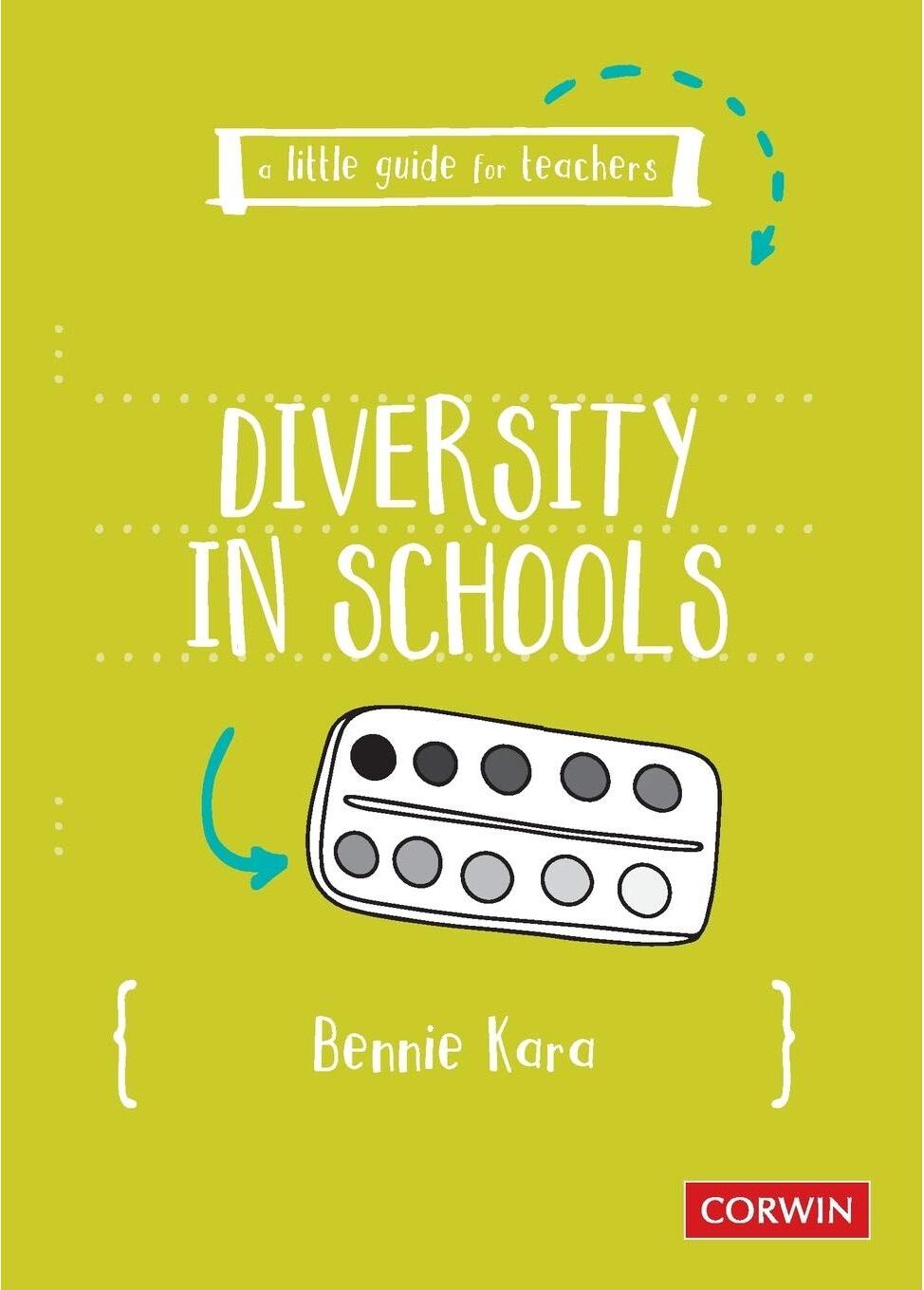
SAGE Publications A Little Guide for Teachers: Diversity in Schools (A Little Guide for Teachers)A Little Guide for Teachers: Diversity in Schools aims to provide starting points for teachers and leaders in creating a curriculum, either across disciplines or within subjects, that is as deep and diverse as their students. The Little Guide for Teachers series is little in size but BIG on all the support and inspiration you need to navigate your day to day life as a teacher. · Authored by experts in the field · Easy to dip in-and-out of · Interactive activities encourage you to write into the book and make it your own · Fun engaging illustrations throughout · Read in an afternoon or take as long as you like with it!12,99 £*Shipping: 2,99 £Secure redirect to the provider
-
Inspire Select Interactive Training Card Set Observation, Logic & Thinking Skill Development Puzzle Cards For Kids intermediateIntroduction Help young minds develop stronger focus, reasoning, and creativity with this engaging training card set designed for handson learning. Each card features fun, interactive challenges that build observation, memory, and problemsolving...40,98 $*Shipping: 0,00 $Secure redirect to the provider



-
What is the difference between biology and geology?
Biology is the study of living organisms and their interactions with each other and their environment, while geology is the study of the Earth's structure, composition, and processes. In other words, biology focuses on life and living organisms, while geology focuses on the Earth's physical and chemical properties. While both fields are related to the natural world, they have different areas of focus and study different aspects of the natural world. **
-
What is the topic of the presentation about geology?
The topic of the presentation about geology is the formation and structure of the Earth's crust, including the processes that shape the landscape such as plate tectonics, erosion, and volcanic activity. The presentation may also cover the different types of rocks and minerals, as well as the geological history of the Earth. Additionally, it may discuss the practical applications of geology, such as in natural resource exploration and environmental conservation. **
-
What is your interest in the profession of geology?
I am interested in the profession of geology because it allows me to study and understand the Earth's processes and history. I am fascinated by the dynamic nature of the Earth and how geological processes shape the planet's landscapes and resources. Additionally, I am drawn to the interdisciplinary nature of geology, as it involves elements of physics, chemistry, and biology. I am excited about the opportunity to contribute to our understanding of the Earth and its resources through the study of geology. **
-
What professions are there in the field of geology?
There are several professions in the field of geology, including geologists who study the Earth's processes, structures, and history to understand its evolution. Geophysicists use physics principles to study the Earth's physical properties and processes. Geochemists study the chemical composition of rocks, minerals, and fluids to understand geological processes. Environmental geologists assess the impact of human activities on the environment and work to mitigate potential risks. Hydrogeologists study the distribution and movement of groundwater to manage water resources effectively. **


What are the professions in the field of geology?
Professions in the field of geology include geologists, who study the Earth's processes and materials to understand its history and predict future events. Geophysicists use physics principles to study the Earth's physical properties and processes. Geochemists focus on the chemical composition of rocks, minerals, and fluids to understand geological processes. Environmental geologists assess the impact of human activities on the Earth's environment and natural resources. Hydrogeologists study the distribution and movement of groundwater. **
What is the difference between plutons and plutonites in geology?
In geology, plutons are large underground igneous rock formations that form from the cooling and solidification of magma beneath the Earth's surface. Plutonites, on the other hand, are the specific types of rocks that make up plutons, such as granite, diorite, or gabbro. Essentially, plutons are the overall geological feature, while plutonites are the individual rocks that comprise them. **
Top-Angebote
Products related to Geology:
-
Anker Plus Member BenefitsShipping Service Free Next-Day Shipping (1 Item per Month) Free Express Shipping (1 Item per Month) AnkerCredits Rewards Earn 1.5 AnkerCredits for Every $1 Spent (Upgraded Benefit) Access Exclusive Redemption Products Warranty Extra 6-month extended...99,99 $*Shipping: 0,00 $Secure redirect to the provider
-
DEVERA 9-Door Employee Storage Metal LockerHighlights Ample Storage & Organization: Featuring 9 large compartments, this employee locker provides generous space for individualized storage. Suitable for various settings, including schools, homes, restaurants, garages, locker rooms, and dorms.288,57 $*Shipping: 0,00 $Secure redirect to the provider
-
Uplifted Finds Predatory Engagement Wrestling Puppet Hub Predatory Engagement Wrestling Puppet HubTransform interactive play with the PredatoryEngagement Puppet, a professionalgrade interaction module engineered with manualsimulation logic. This highutility tool features a reinforced plush architecture and poseable limbs, specifically designed...85,97 $*Shipping: 0,00 $Secure redirect to the provider
-
DEVERA 6-Door Employee Storage Metal Locker for OfficeHighlights Ample Storage & Organization: Featuring six large compartments, this employee locker provides generous space for individualized storage. Suitable for various settings, including schools, homes, restaurants, garages, locker rooms, and dorms.259,99 $*Shipping: 0,00 $Secure redirect to the provider
-
Isn't geology a science?
Yes, geology is a science that focuses on the study of the Earth's structure, composition, and processes. Geologists use scientific methods to understand the history of the Earth, including the formation of rocks, minerals, and landforms, as well as the processes that shape the planet's surface. By applying principles of physics, chemistry, and biology, geologists seek to explain natural phenomena and make predictions about the Earth's future. Overall, geology is a scientific discipline that contributes to our understanding of the natural world. **
-
What is interesting about geology?
Geology is interesting because it allows us to understand the Earth's history and processes, including the formation of mountains, the movement of tectonic plates, and the creation of natural resources such as oil and minerals. It also helps us predict and understand natural disasters like earthquakes and volcanic eruptions. Additionally, studying geology can provide insights into climate change and environmental issues, as well as help us locate and manage important natural resources. **
-
What is the difference between biology and geology?
Biology is the study of living organisms and their interactions with each other and their environment, while geology is the study of the Earth's structure, composition, and processes. In other words, biology focuses on life and living organisms, while geology focuses on the Earth's physical and chemical properties. While both fields are related to the natural world, they have different areas of focus and study different aspects of the natural world. **
-
What is the topic of the presentation about geology?
The topic of the presentation about geology is the formation and structure of the Earth's crust, including the processes that shape the landscape such as plate tectonics, erosion, and volcanic activity. The presentation may also cover the different types of rocks and minerals, as well as the geological history of the Earth. Additionally, it may discuss the practical applications of geology, such as in natural resource exploration and environmental conservation. **
Similar search terms for Geology
-
SAGE Publications A Little Guide for Teachers: Diversity in Schools (A Little Guide for Teachers)A Little Guide for Teachers: Diversity in Schools aims to provide starting points for teachers and leaders in creating a curriculum, either across disciplines or within subjects, that is as deep and diverse as their students. The Little Guide for Teachers series is little in size but BIG on all the support and inspiration you need to navigate your day to day life as a teacher. · Authored by experts in the field · Easy to dip in-and-out of · Interactive activities encourage you to write into the book and make it your own · Fun engaging illustrations throughout · Read in an afternoon or take as long as you like with it!12,99 £*Shipping: 2,99 £Secure redirect to the provider
-
Inspire Select Interactive Training Card Set Observation, Logic & Thinking Skill Development Puzzle Cards For Kids intermediateIntroduction Help young minds develop stronger focus, reasoning, and creativity with this engaging training card set designed for handson learning. Each card features fun, interactive challenges that build observation, memory, and problemsolving...40,98 $*Shipping: 0,00 $Secure redirect to the provider
-
What is your interest in the profession of geology?
I am interested in the profession of geology because it allows me to study and understand the Earth's processes and history. I am fascinated by the dynamic nature of the Earth and how geological processes shape the planet's landscapes and resources. Additionally, I am drawn to the interdisciplinary nature of geology, as it involves elements of physics, chemistry, and biology. I am excited about the opportunity to contribute to our understanding of the Earth and its resources through the study of geology. **
-
What professions are there in the field of geology?
There are several professions in the field of geology, including geologists who study the Earth's processes, structures, and history to understand its evolution. Geophysicists use physics principles to study the Earth's physical properties and processes. Geochemists study the chemical composition of rocks, minerals, and fluids to understand geological processes. Environmental geologists assess the impact of human activities on the environment and work to mitigate potential risks. Hydrogeologists study the distribution and movement of groundwater to manage water resources effectively. **
-
What are the professions in the field of geology?
Professions in the field of geology include geologists, who study the Earth's processes and materials to understand its history and predict future events. Geophysicists use physics principles to study the Earth's physical properties and processes. Geochemists focus on the chemical composition of rocks, minerals, and fluids to understand geological processes. Environmental geologists assess the impact of human activities on the Earth's environment and natural resources. Hydrogeologists study the distribution and movement of groundwater. **
-
What is the difference between plutons and plutonites in geology?
In geology, plutons are large underground igneous rock formations that form from the cooling and solidification of magma beneath the Earth's surface. Plutonites, on the other hand, are the specific types of rocks that make up plutons, such as granite, diorite, or gabbro. Essentially, plutons are the overall geological feature, while plutonites are the individual rocks that comprise them. **
* All prices are inclusive of VAT and, if applicable, plus shipping costs. The offer information is based on the details provided by the respective shop and is updated through automated processes. Real-time updates do not occur, so deviations can occur in individual cases. ** Note: Parts of this content were created by AI.