Buy hrcafe.eu ?
We are moving the project
hrcafe.eu .
Are you interested in purchasing the domain
hrcafe.eu ?
domain@kv-gmbh.de · 0541-91531010
Buy hrcafe.eu ?
How are hybrid orbitals and molecular orbitals related?
Hybrid orbitals and molecular orbitals are related in that hybrid orbitals are a combination of atomic orbitals that form when atoms bond to create a molecule. These hybrid orbitals then overlap with each other and with other atomic orbitals to form molecular orbitals, which describe the distribution of electrons in a molecule. In other words, hybrid orbitals are the building blocks that contribute to the formation of molecular orbitals, which ultimately determine the bonding and structure of a molecule. **
What are orbitals 2?
Orbitals are regions in an atom where electrons are likely to be found. Orbitals are described by quantum mechanics and have specific shapes and orientations. Orbitals are labeled by their energy level (n) and sublevel (s, p, d, f), and each sublevel contains a specific number of orbitals with different shapes. For example, the second energy level (n=2) contains an s orbital and three p orbitals, each with a different orientation in space. **


Similar search terms for Orbitals
Top-Angebote
Products related to Orbitals:
-
Uplifted Finds Predatory Engagement Wrestling Puppet Hub Predatory Engagement Wrestling Puppet HubTransform interactive play with the PredatoryEngagement Puppet, a professionalgrade interaction module engineered with manualsimulation logic. This highutility tool features a reinforced plush architecture and poseable limbs, specifically designed...85,97 $*Shipping: 0,00 $Secure redirect to the provider
-
DEVERA 6-Door Employee Storage Metal Locker for OfficeHighlights Ample Storage & Organization: Featuring six large compartments, this employee locker provides generous space for individualized storage. Suitable for various settings, including schools, homes, restaurants, garages, locker rooms, and dorms.259,99 $*Shipping: 0,00 $Secure redirect to the provider
-
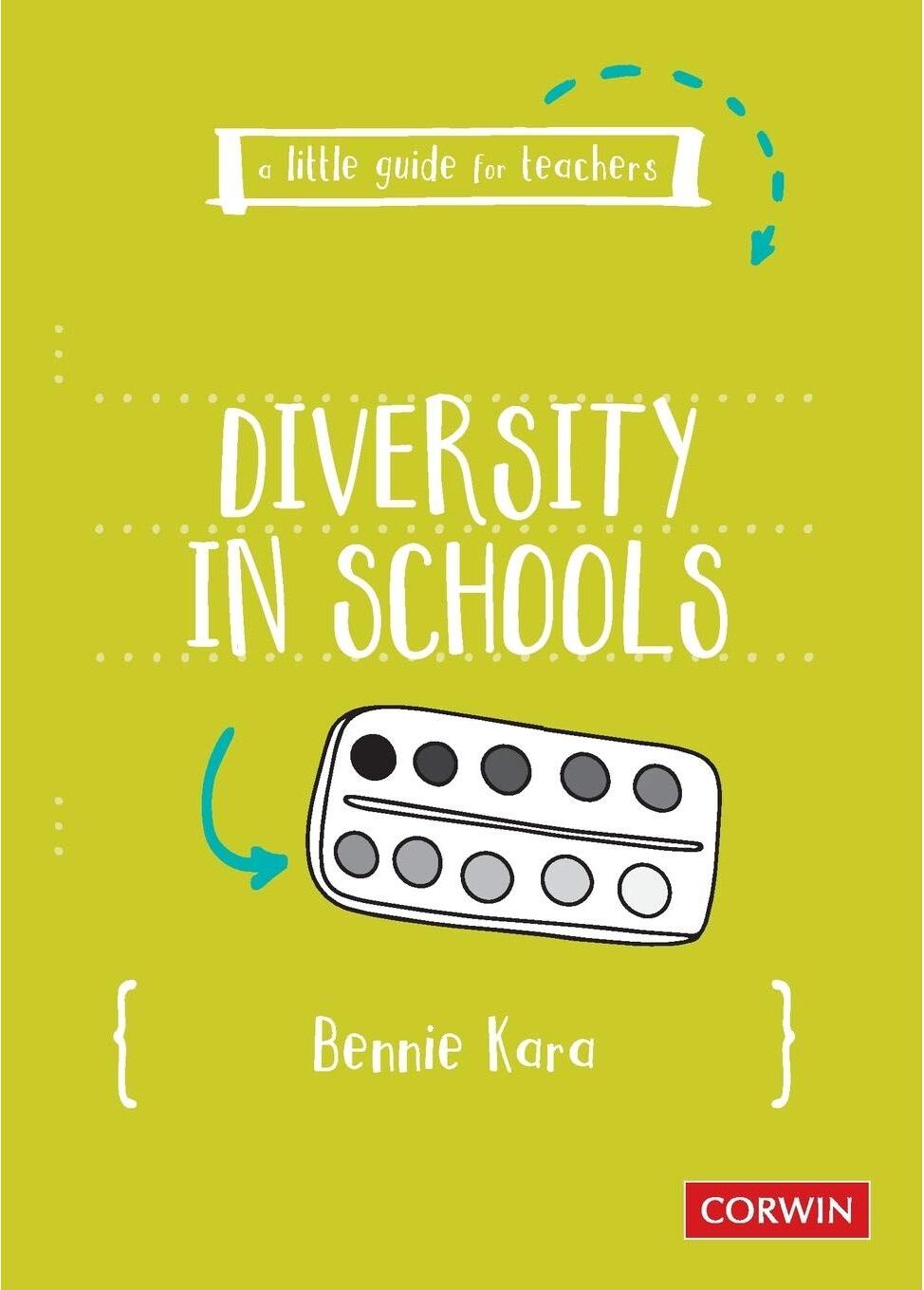
SAGE Publications A Little Guide for Teachers: Diversity in Schools (A Little Guide for Teachers)A Little Guide for Teachers: Diversity in Schools aims to provide starting points for teachers and leaders in creating a curriculum, either across disciplines or within subjects, that is as deep and diverse as their students. The Little Guide for Teachers series is little in size but BIG on all the support and inspiration you need to navigate your day to day life as a teacher. · Authored by experts in the field · Easy to dip in-and-out of · Interactive activities encourage you to write into the book and make it your own · Fun engaging illustrations throughout · Read in an afternoon or take as long as you like with it!12,99 £*Shipping: 2,99 £Secure redirect to the provider
-
Inspire Select Interactive Training Card Set Observation, Logic & Thinking Skill Development Puzzle Cards For Kids intermediateIntroduction Help young minds develop stronger focus, reasoning, and creativity with this engaging training card set designed for handson learning. Each card features fun, interactive challenges that build observation, memory, and problemsolving...40,98 $*Shipping: 0,00 $Secure redirect to the provider



-
What are molecular orbitals?
Molecular orbitals are regions of space around a molecule where the probability of finding an electron is high. They are formed by the combination of atomic orbitals from the individual atoms in the molecule. Molecular orbitals can be bonding, anti-bonding, or non-bonding, and they play a crucial role in determining the electronic structure and properties of molecules. The interaction of these molecular orbitals determines the stability and reactivity of the molecule. **
-
What are antibonding orbitals?
Antibonding orbitals are molecular orbitals that have higher energy than the corresponding bonding orbitals. They result from the destructive interference of atomic orbitals when they combine to form a molecule. Electrons in antibonding orbitals destabilize the molecule and weaken the bond strength between the atoms. Antibonding orbitals are denoted with an asterisk (*) symbol, such as σ* or π*. **
-
Can you sketch atomic orbitals?
As a language model AI, I cannot physically sketch atomic orbitals. However, I can describe them. Atomic orbitals are regions of space around the nucleus of an atom where an electron is likely to be found. They are represented as three-dimensional shapes, such as spheres, dumbbells, and other more complex shapes, which correspond to the probability of finding an electron at a particular location within the orbital. These shapes are determined by the quantum numbers that describe the energy, shape, and orientation of the orbitals. **
-
Why does the building principle require more energy for 3d orbitals than for 4s orbitals?
The building principle requires more energy for 3d orbitals than for 4s orbitals because the 3d orbitals have a higher energy level than the 4s orbitals. This is due to the different shapes and orientations of the orbitals. The 3d orbitals have more complex shapes and orientations, which require more energy to fill and stabilize. Additionally, the 4s orbital is closer to the nucleus, which results in a lower energy level compared to the 3d orbitals. **


Why do atoms hybridize molecular orbitals?
Atoms hybridize their atomic orbitals to form molecular orbitals in order to achieve a more stable and lower energy state. By combining atomic orbitals, the resulting molecular orbitals can better accommodate the bonding electrons, leading to stronger and more stable chemical bonds. This process also allows for the formation of new molecular orbitals with different shapes and energies, which in turn influences the geometry and reactivity of the molecule. Overall, hybridization of atomic orbitals is a way for atoms to optimize their electron distribution and achieve a more favorable overall energy state. **
How are antibonding molecular orbitals formed?
Antibonding molecular orbitals are formed when two atomic orbitals of opposite phase overlap and interfere destructively. This results in a region of space between the two nuclei where the electron density is lower than in the original atomic orbitals. As a result, the energy of the electrons in the antibonding molecular orbital is higher than the energy of the original atomic orbitals, making it less stable. Antibonding molecular orbitals weaken the bond between atoms and can lead to the destabilization of the molecule. **
Top-Angebote
Products related to Orbitals:
-
Anker Plus Member BenefitsShipping Service Free Next-Day Shipping (1 Item per Month) Free Express Shipping (1 Item per Month) AnkerCredits Rewards Earn 1.5 AnkerCredits for Every $1 Spent (Upgraded Benefit) Access Exclusive Redemption Products Warranty Extra 6-month extended...99,99 $*Shipping: 0,00 $Secure redirect to the provider
-
DEVERA 9-Door Employee Storage Metal LockerHighlights Ample Storage & Organization: Featuring 9 large compartments, this employee locker provides generous space for individualized storage. Suitable for various settings, including schools, homes, restaurants, garages, locker rooms, and dorms.288,57 $*Shipping: 0,00 $Secure redirect to the provider
-
Uplifted Finds Predatory Engagement Wrestling Puppet Hub Predatory Engagement Wrestling Puppet HubTransform interactive play with the PredatoryEngagement Puppet, a professionalgrade interaction module engineered with manualsimulation logic. This highutility tool features a reinforced plush architecture and poseable limbs, specifically designed...85,97 $*Shipping: 0,00 $Secure redirect to the provider
-
DEVERA 6-Door Employee Storage Metal Locker for OfficeHighlights Ample Storage & Organization: Featuring six large compartments, this employee locker provides generous space for individualized storage. Suitable for various settings, including schools, homes, restaurants, garages, locker rooms, and dorms.259,99 $*Shipping: 0,00 $Secure redirect to the provider
-
How are hybrid orbitals and molecular orbitals related?
Hybrid orbitals and molecular orbitals are related in that hybrid orbitals are a combination of atomic orbitals that form when atoms bond to create a molecule. These hybrid orbitals then overlap with each other and with other atomic orbitals to form molecular orbitals, which describe the distribution of electrons in a molecule. In other words, hybrid orbitals are the building blocks that contribute to the formation of molecular orbitals, which ultimately determine the bonding and structure of a molecule. **
-
What are orbitals 2?
Orbitals are regions in an atom where electrons are likely to be found. Orbitals are described by quantum mechanics and have specific shapes and orientations. Orbitals are labeled by their energy level (n) and sublevel (s, p, d, f), and each sublevel contains a specific number of orbitals with different shapes. For example, the second energy level (n=2) contains an s orbital and three p orbitals, each with a different orientation in space. **
-
What are molecular orbitals?
Molecular orbitals are regions of space around a molecule where the probability of finding an electron is high. They are formed by the combination of atomic orbitals from the individual atoms in the molecule. Molecular orbitals can be bonding, anti-bonding, or non-bonding, and they play a crucial role in determining the electronic structure and properties of molecules. The interaction of these molecular orbitals determines the stability and reactivity of the molecule. **
-
What are antibonding orbitals?
Antibonding orbitals are molecular orbitals that have higher energy than the corresponding bonding orbitals. They result from the destructive interference of atomic orbitals when they combine to form a molecule. Electrons in antibonding orbitals destabilize the molecule and weaken the bond strength between the atoms. Antibonding orbitals are denoted with an asterisk (*) symbol, such as σ* or π*. **
Similar search terms for Orbitals
-
SAGE Publications A Little Guide for Teachers: Diversity in Schools (A Little Guide for Teachers)A Little Guide for Teachers: Diversity in Schools aims to provide starting points for teachers and leaders in creating a curriculum, either across disciplines or within subjects, that is as deep and diverse as their students. The Little Guide for Teachers series is little in size but BIG on all the support and inspiration you need to navigate your day to day life as a teacher. · Authored by experts in the field · Easy to dip in-and-out of · Interactive activities encourage you to write into the book and make it your own · Fun engaging illustrations throughout · Read in an afternoon or take as long as you like with it!12,99 £*Shipping: 2,99 £Secure redirect to the provider
-
Inspire Select Interactive Training Card Set Observation, Logic & Thinking Skill Development Puzzle Cards For Kids intermediateIntroduction Help young minds develop stronger focus, reasoning, and creativity with this engaging training card set designed for handson learning. Each card features fun, interactive challenges that build observation, memory, and problemsolving...40,98 $*Shipping: 0,00 $Secure redirect to the provider
-
Can you sketch atomic orbitals?
As a language model AI, I cannot physically sketch atomic orbitals. However, I can describe them. Atomic orbitals are regions of space around the nucleus of an atom where an electron is likely to be found. They are represented as three-dimensional shapes, such as spheres, dumbbells, and other more complex shapes, which correspond to the probability of finding an electron at a particular location within the orbital. These shapes are determined by the quantum numbers that describe the energy, shape, and orientation of the orbitals. **
-
Why does the building principle require more energy for 3d orbitals than for 4s orbitals?
The building principle requires more energy for 3d orbitals than for 4s orbitals because the 3d orbitals have a higher energy level than the 4s orbitals. This is due to the different shapes and orientations of the orbitals. The 3d orbitals have more complex shapes and orientations, which require more energy to fill and stabilize. Additionally, the 4s orbital is closer to the nucleus, which results in a lower energy level compared to the 3d orbitals. **
-
Why do atoms hybridize molecular orbitals?
Atoms hybridize their atomic orbitals to form molecular orbitals in order to achieve a more stable and lower energy state. By combining atomic orbitals, the resulting molecular orbitals can better accommodate the bonding electrons, leading to stronger and more stable chemical bonds. This process also allows for the formation of new molecular orbitals with different shapes and energies, which in turn influences the geometry and reactivity of the molecule. Overall, hybridization of atomic orbitals is a way for atoms to optimize their electron distribution and achieve a more favorable overall energy state. **
-
How are antibonding molecular orbitals formed?
Antibonding molecular orbitals are formed when two atomic orbitals of opposite phase overlap and interfere destructively. This results in a region of space between the two nuclei where the electron density is lower than in the original atomic orbitals. As a result, the energy of the electrons in the antibonding molecular orbital is higher than the energy of the original atomic orbitals, making it less stable. Antibonding molecular orbitals weaken the bond between atoms and can lead to the destabilization of the molecule. **
* All prices are inclusive of VAT and, if applicable, plus shipping costs. The offer information is based on the details provided by the respective shop and is updated through automated processes. Real-time updates do not occur, so deviations can occur in individual cases. ** Note: Parts of this content were created by AI.