Buy hrcafe.eu ?
We are moving the project
hrcafe.eu .
Are you interested in purchasing the domain
hrcafe.eu ?
domain@kv-gmbh.de · 0541-91531010
Buy hrcafe.eu ?
Are inhaled pesticides harmful?
Inhaled pesticides can be harmful to human health, as they can irritate the respiratory system and cause symptoms such as coughing, wheezing, and shortness of breath. Long-term exposure to inhaled pesticides can also increase the risk of developing respiratory conditions such as asthma and chronic obstructive pulmonary disease (COPD). Additionally, some pesticides may contain toxic chemicals that can be harmful if inhaled, leading to more serious health effects. It is important to take precautions when using pesticides and to follow safety guidelines to minimize the risk of inhalation exposure. **
Are there tampons without pesticides?
Yes, there are tampons available that are made without the use of pesticides. Many organic tampon brands specifically advertise that their products are made without the use of pesticides, synthetic materials, and chemicals. These tampons are made from organic cotton, which is grown without the use of synthetic pesticides or fertilizers. Choosing organic tampons can be a good option for those looking to reduce their exposure to potentially harmful chemicals. **

Similar search terms for Pesticides
Top-Angebote
Products related to Pesticides:
-
DEVERA 9-Door Employee Storage Metal LockerHighlights Ample Storage & Organization: Featuring 9 large compartments, this employee locker provides generous space for individualized storage. Suitable for various settings, including schools, homes, restaurants, garages, locker rooms, and dorms.288,57 $*Shipping: 0,00 $Secure redirect to the provider
-
Uplifted Finds Predatory Engagement Wrestling Puppet Hub Predatory Engagement Wrestling Puppet HubTransform interactive play with the PredatoryEngagement Puppet, a professionalgrade interaction module engineered with manualsimulation logic. This highutility tool features a reinforced plush architecture and poseable limbs, specifically designed...85,97 $*Shipping: 0,00 $Secure redirect to the provider
-
DEVERA 6-Door Employee Storage Metal Locker for OfficeHighlights Ample Storage & Organization: Featuring six large compartments, this employee locker provides generous space for individualized storage. Suitable for various settings, including schools, homes, restaurants, garages, locker rooms, and dorms.259,99 $*Shipping: 0,00 $Secure redirect to the provider
-
Inspire Select Interactive Training Card Set Observation, Logic & Thinking Skill Development Puzzle Cards For Kids intermediateIntroduction Help young minds develop stronger focus, reasoning, and creativity with this engaging training card set designed for handson learning. Each card features fun, interactive challenges that build observation, memory, and problemsolving...40,98 $*Shipping: 0,00 $Secure redirect to the provider




-
Do pesticides on fruits taste bitter?
Pesticides themselves do not have a taste, but some fruits may taste bitter if they have been treated with certain types of pesticides. This can happen if the pesticides are not properly washed off before the fruit is consumed. Additionally, some people may be more sensitive to the taste of pesticides and may perceive a bitter taste even if the levels are within safe limits. It is important to thoroughly wash fruits before consuming them to reduce the risk of ingesting any pesticide residue. **
-
Do pesticides on fruit taste bitter?
Pesticides themselves do not have a taste, but some fruits may have a bitter taste if they have been treated with certain types of pesticides. This is because some pesticides can leave a residue on the surface of the fruit, which can affect its taste. However, the bitterness of the fruit may also be influenced by other factors such as ripeness and variety. It is important to wash fruits thoroughly before consuming them to remove any pesticide residue. **
-
What do pesticides and defoliants mean?
Pesticides are substances used to control or eliminate pests such as insects, weeds, and fungi that can damage crops or spread diseases. They can be synthetic chemicals or natural substances and are used to protect plants and improve agricultural productivity. Defoliants, on the other hand, are chemicals used to strip leaves from plants, often as a means of destroying crops or vegetation. They are sometimes used in warfare to expose enemy positions or in agriculture to facilitate harvesting. Both pesticides and defoliants have potential environmental and health impacts and must be used carefully and responsibly. **
-
Can pesticides be avoided in honey?
Pesticides can be avoided in honey through organic beekeeping practices. Organic beekeepers use natural methods to control pests and diseases, such as maintaining strong and healthy hives, using essential oils and natural repellents, and practicing good hive management. By avoiding the use of synthetic pesticides and chemicals in and around the hives, organic beekeepers can produce honey that is free from pesticide residues. Consumers can look for organic honey products to ensure that they are supporting beekeepers who prioritize natural and sustainable practices. **


How can one remove pesticides from frozen fruits?
One way to remove pesticides from frozen fruits is to wash them thoroughly under running water. This can help to remove some of the pesticide residue on the surface of the fruits. Another method is to soak the frozen fruits in a solution of water and vinegar, which can help to break down and remove pesticide residues. Additionally, peeling the skin of the fruits can also help to reduce pesticide exposure. It's important to note that while these methods can help reduce pesticide residue, they may not completely eliminate all traces of pesticides. **
When should one always use pesticides before flowering?
One should always use pesticides before flowering when dealing with pests or diseases that are known to cause significant damage during the flowering stage. By applying pesticides before flowering, one can prevent the pests or diseases from establishing a strong presence and causing harm to the plant during this critical stage of growth. Additionally, using pesticides before flowering can help protect the plant's health and ensure a successful flowering period without interference from pests or diseases. It is important to carefully follow the instructions on the pesticide label and consider the specific needs of the plant to determine the best timing for application. **
Top-Angebote
Products related to Pesticides:
-
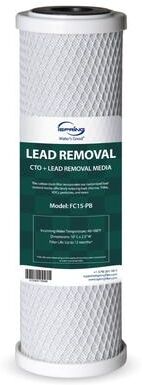
iSpring FC15-PB Certified Water Filter – Removes up to 99% Lead, Reduces Chlorine, THMs, VOCs, Pesticides, and More, SGS-testedSGS-Tested Lead Reduction: The FC15-PB carbon block filter is equipped with specialized lead-removal media, proven to reduce up to 99% of lead for safer, cleaner drinking water.79,99 $*Shipping: 0,00 $Secure redirect to the provider
-
Anker Plus Member BenefitsShipping Service Free Next-Day Shipping (1 Item per Month) Free Express Shipping (1 Item per Month) AnkerCredits Rewards Earn 1.5 AnkerCredits for Every $1 Spent (Upgraded Benefit) Access Exclusive Redemption Products Warranty Extra 6-month extended...99,99 $*Shipping: 0,00 $Secure redirect to the provider
-
DEVERA 9-Door Employee Storage Metal LockerHighlights Ample Storage & Organization: Featuring 9 large compartments, this employee locker provides generous space for individualized storage. Suitable for various settings, including schools, homes, restaurants, garages, locker rooms, and dorms.288,57 $*Shipping: 0,00 $Secure redirect to the provider
-
Uplifted Finds Predatory Engagement Wrestling Puppet Hub Predatory Engagement Wrestling Puppet HubTransform interactive play with the PredatoryEngagement Puppet, a professionalgrade interaction module engineered with manualsimulation logic. This highutility tool features a reinforced plush architecture and poseable limbs, specifically designed...85,97 $*Shipping: 0,00 $Secure redirect to the provider
-
Are inhaled pesticides harmful?
Inhaled pesticides can be harmful to human health, as they can irritate the respiratory system and cause symptoms such as coughing, wheezing, and shortness of breath. Long-term exposure to inhaled pesticides can also increase the risk of developing respiratory conditions such as asthma and chronic obstructive pulmonary disease (COPD). Additionally, some pesticides may contain toxic chemicals that can be harmful if inhaled, leading to more serious health effects. It is important to take precautions when using pesticides and to follow safety guidelines to minimize the risk of inhalation exposure. **
-
Are there tampons without pesticides?
Yes, there are tampons available that are made without the use of pesticides. Many organic tampon brands specifically advertise that their products are made without the use of pesticides, synthetic materials, and chemicals. These tampons are made from organic cotton, which is grown without the use of synthetic pesticides or fertilizers. Choosing organic tampons can be a good option for those looking to reduce their exposure to potentially harmful chemicals. **
-
Do pesticides on fruits taste bitter?
Pesticides themselves do not have a taste, but some fruits may taste bitter if they have been treated with certain types of pesticides. This can happen if the pesticides are not properly washed off before the fruit is consumed. Additionally, some people may be more sensitive to the taste of pesticides and may perceive a bitter taste even if the levels are within safe limits. It is important to thoroughly wash fruits before consuming them to reduce the risk of ingesting any pesticide residue. **
-
Do pesticides on fruit taste bitter?
Pesticides themselves do not have a taste, but some fruits may have a bitter taste if they have been treated with certain types of pesticides. This is because some pesticides can leave a residue on the surface of the fruit, which can affect its taste. However, the bitterness of the fruit may also be influenced by other factors such as ripeness and variety. It is important to wash fruits thoroughly before consuming them to remove any pesticide residue. **
Similar search terms for Pesticides
-
DEVERA 6-Door Employee Storage Metal Locker for OfficeHighlights Ample Storage & Organization: Featuring six large compartments, this employee locker provides generous space for individualized storage. Suitable for various settings, including schools, homes, restaurants, garages, locker rooms, and dorms.259,99 $*Shipping: 0,00 $Secure redirect to the provider
-
Inspire Select Interactive Training Card Set Observation, Logic & Thinking Skill Development Puzzle Cards For Kids intermediateIntroduction Help young minds develop stronger focus, reasoning, and creativity with this engaging training card set designed for handson learning. Each card features fun, interactive challenges that build observation, memory, and problemsolving...40,98 $*Shipping: 0,00 $Secure redirect to the provider
-
Uplifted Finds Octo Plush High Engagement Stimulator colorfulInject highintensity excitement into your pets day with the OctoPlush Stimulator, a multisensory toy engineered with tentacleflutter logic. Designed to mimic the erratic movement of aquatic prey, this 18 cm toy utilizes multistrand kinetic...33,97 $*Shipping: 0,00 $Secure redirect to the provider
-
Inspire Select Interactive Training Card Set Observation, Logic & Thinking Skill Development Puzzle Cards For Kids beginnerIntroduction Help young minds develop stronger focus, reasoning, and creativity with this engaging training card set designed for handson learning. Each card features fun, interactive challenges that build observation, memory, and problemsolving...39,98 $*Shipping: 0,00 $Secure redirect to the provider
-
What do pesticides and defoliants mean?
Pesticides are substances used to control or eliminate pests such as insects, weeds, and fungi that can damage crops or spread diseases. They can be synthetic chemicals or natural substances and are used to protect plants and improve agricultural productivity. Defoliants, on the other hand, are chemicals used to strip leaves from plants, often as a means of destroying crops or vegetation. They are sometimes used in warfare to expose enemy positions or in agriculture to facilitate harvesting. Both pesticides and defoliants have potential environmental and health impacts and must be used carefully and responsibly. **
-
Can pesticides be avoided in honey?
Pesticides can be avoided in honey through organic beekeeping practices. Organic beekeepers use natural methods to control pests and diseases, such as maintaining strong and healthy hives, using essential oils and natural repellents, and practicing good hive management. By avoiding the use of synthetic pesticides and chemicals in and around the hives, organic beekeepers can produce honey that is free from pesticide residues. Consumers can look for organic honey products to ensure that they are supporting beekeepers who prioritize natural and sustainable practices. **
-
How can one remove pesticides from frozen fruits?
One way to remove pesticides from frozen fruits is to wash them thoroughly under running water. This can help to remove some of the pesticide residue on the surface of the fruits. Another method is to soak the frozen fruits in a solution of water and vinegar, which can help to break down and remove pesticide residues. Additionally, peeling the skin of the fruits can also help to reduce pesticide exposure. It's important to note that while these methods can help reduce pesticide residue, they may not completely eliminate all traces of pesticides. **
-
When should one always use pesticides before flowering?
One should always use pesticides before flowering when dealing with pests or diseases that are known to cause significant damage during the flowering stage. By applying pesticides before flowering, one can prevent the pests or diseases from establishing a strong presence and causing harm to the plant during this critical stage of growth. Additionally, using pesticides before flowering can help protect the plant's health and ensure a successful flowering period without interference from pests or diseases. It is important to carefully follow the instructions on the pesticide label and consider the specific needs of the plant to determine the best timing for application. **
* All prices are inclusive of VAT and, if applicable, plus shipping costs. The offer information is based on the details provided by the respective shop and is updated through automated processes. Real-time updates do not occur, so deviations can occur in individual cases. ** Note: Parts of this content were created by AI.