Buy hrcafe.eu ?
We are moving the project
hrcafe.eu .
Are you interested in purchasing the domain
hrcafe.eu ?
domain@kv-gmbh.de · 0541-91531010
Buy hrcafe.eu ?
What is the difference between self-pollination and cross-pollination?
Self-pollination occurs when pollen from the same plant fertilizes the ovules within the same flower or between different flowers on the same plant. This can happen through the transfer of pollen by wind, water, or self-pollinating mechanisms. On the other hand, cross-pollination involves the transfer of pollen from the male reproductive organ of one plant to the female reproductive organ of another plant of the same species. This process promotes genetic diversity and can result in stronger, more resilient offspring. **
What is pollination in flowers?
Pollination in flowers is the process by which pollen from the male reproductive organs (anthers) of a flower is transferred to the female reproductive organs (stigma) of the same or another flower, leading to fertilization and the production of seeds. This transfer of pollen can occur through various means, including wind, water, and animals such as bees, butterflies, and birds. Pollination is essential for the reproduction of flowering plants and the production of fruits and seeds. **


Similar search terms for Pollination
Top-Angebote
Products related to Pollination:
-
Uplifted Finds Predatory Engagement Wrestling Puppet Hub Predatory Engagement Wrestling Puppet HubTransform interactive play with the PredatoryEngagement Puppet, a professionalgrade interaction module engineered with manualsimulation logic. This highutility tool features a reinforced plush architecture and poseable limbs, specifically designed...85,97 $*Shipping: 0,00 $Secure redirect to the provider
-
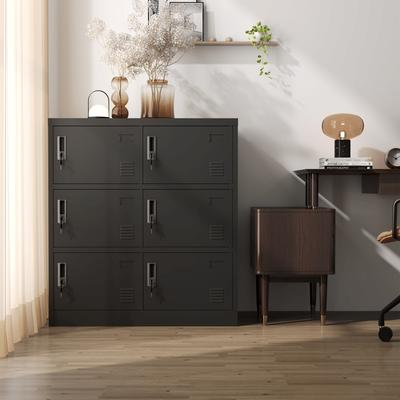
DEVERA 6-Door Employee Storage Metal Locker for OfficeHighlights Ample Storage & Organization: Featuring six large compartments, this employee locker provides generous space for individualized storage. Suitable for various settings, including schools, homes, restaurants, garages, locker rooms, and dorms.259,99 $*Shipping: 0,00 $Secure redirect to the provider
-
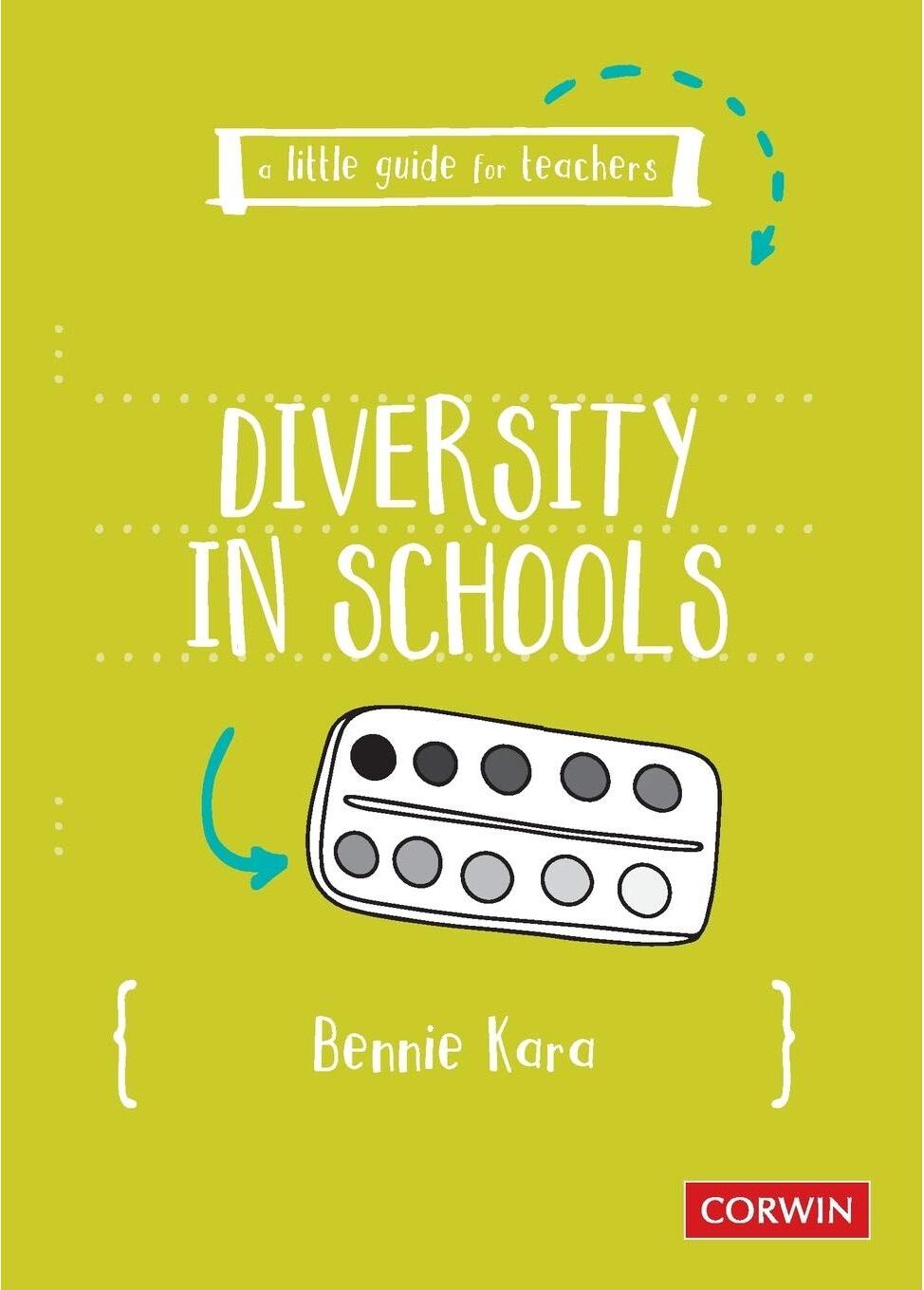
SAGE Publications A Little Guide for Teachers: Diversity in Schools (A Little Guide for Teachers)A Little Guide for Teachers: Diversity in Schools aims to provide starting points for teachers and leaders in creating a curriculum, either across disciplines or within subjects, that is as deep and diverse as their students. The Little Guide for Teachers series is little in size but BIG on all the support and inspiration you need to navigate your day to day life as a teacher. · Authored by experts in the field · Easy to dip in-and-out of · Interactive activities encourage you to write into the book and make it your own · Fun engaging illustrations throughout · Read in an afternoon or take as long as you like with it!12,99 £*Shipping: 2,99 £Secure redirect to the provider
-
Inspire Select Interactive Training Card Set Observation, Logic & Thinking Skill Development Puzzle Cards For Kids intermediateIntroduction Help young minds develop stronger focus, reasoning, and creativity with this engaging training card set designed for handson learning. Each card features fun, interactive challenges that build observation, memory, and problemsolving...40,98 $*Shipping: 0,00 $Secure redirect to the provider


-
How does pollination occur in insects?
Pollination in insects occurs when they visit flowers in search of nectar or pollen. As they feed, they inadvertently brush against the reproductive parts of the flower, picking up pollen grains. When the insect moves to another flower of the same species, some of this pollen is transferred to the stigma, fertilizing the flower. This process allows for the successful reproduction of many plant species with the help of insect pollinators. **
-
What forms of pollination exist in primroses?
Primroses exhibit both self-pollination and cross-pollination. Self-pollination occurs when the plant's own pollen fertilizes its own ovules, leading to genetic uniformity. Cross-pollination, on the other hand, involves the transfer of pollen from one plant to another, promoting genetic diversity. Primroses can be pollinated by insects, such as bees and butterflies, as well as by wind. **
-
How does the pollination of insects occur?
Insect pollination occurs when insects, such as bees, butterflies, and beetles, visit flowers in search of nectar or pollen. As they move from flower to flower, they inadvertently transfer pollen from the male reproductive parts of one flower to the female reproductive parts of another. This transfer of pollen allows for fertilization and the production of seeds and fruits. Insects are attracted to flowers by their colors, scents, and nectar, and in the process of feeding, they facilitate the crucial process of pollination. **
-
How do metabolism and pollination work in plants?
Metabolism in plants involves the process of converting sunlight, water, and carbon dioxide into energy through photosynthesis. This energy is then used to fuel the plant's growth and development. Pollination, on the other hand, is the transfer of pollen from the male reproductive organs of a flower to the female reproductive organs, leading to fertilization and the production of seeds. This process can occur through wind, water, or animal pollinators such as bees, butterflies, or birds. Both metabolism and pollination are essential processes for the survival and reproduction of plants, allowing them to produce energy and propagate their species. **

How does the pollination of hazelnut plants occur?
Hazelnut plants are pollinated by the wind. The male flowers release pollen, which is then carried by the wind to the female flowers. The female flowers have a stigma that catches the pollen, allowing fertilization to occur. This process does not require the assistance of insects or other animals, as the wind is the primary method of pollination for hazelnut plants. **
What terms exist for external and internal pollination?
External pollination occurs when pollen is transferred between flowers by an external agent, such as wind, water, or animals. Internal pollination, on the other hand, occurs when pollen is transferred within the same flower or between flowers of the same plant. Both types of pollination are essential for the reproduction of many plant species. **
Top-Angebote
Products related to Pollination:
-
Anker Plus Member BenefitsShipping Service Free Next-Day Shipping (1 Item per Month) Free Express Shipping (1 Item per Month) AnkerCredits Rewards Earn 1.5 AnkerCredits for Every $1 Spent (Upgraded Benefit) Access Exclusive Redemption Products Warranty Extra 6-month extended...99,99 $*Shipping: 0,00 $Secure redirect to the provider
-
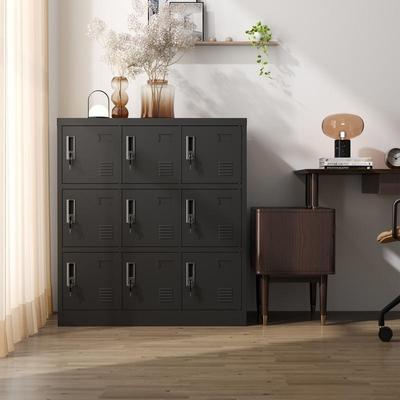
DEVERA 9-Door Employee Storage Metal LockerHighlights Ample Storage & Organization: Featuring 9 large compartments, this employee locker provides generous space for individualized storage. Suitable for various settings, including schools, homes, restaurants, garages, locker rooms, and dorms.288,57 $*Shipping: 0,00 $Secure redirect to the provider
-
Uplifted Finds Predatory Engagement Wrestling Puppet Hub Predatory Engagement Wrestling Puppet HubTransform interactive play with the PredatoryEngagement Puppet, a professionalgrade interaction module engineered with manualsimulation logic. This highutility tool features a reinforced plush architecture and poseable limbs, specifically designed...85,97 $*Shipping: 0,00 $Secure redirect to the provider
-
DEVERA 6-Door Employee Storage Metal Locker for OfficeHighlights Ample Storage & Organization: Featuring six large compartments, this employee locker provides generous space for individualized storage. Suitable for various settings, including schools, homes, restaurants, garages, locker rooms, and dorms.259,99 $*Shipping: 0,00 $Secure redirect to the provider
-
What is the difference between self-pollination and cross-pollination?
Self-pollination occurs when pollen from the same plant fertilizes the ovules within the same flower or between different flowers on the same plant. This can happen through the transfer of pollen by wind, water, or self-pollinating mechanisms. On the other hand, cross-pollination involves the transfer of pollen from the male reproductive organ of one plant to the female reproductive organ of another plant of the same species. This process promotes genetic diversity and can result in stronger, more resilient offspring. **
-
What is pollination in flowers?
Pollination in flowers is the process by which pollen from the male reproductive organs (anthers) of a flower is transferred to the female reproductive organs (stigma) of the same or another flower, leading to fertilization and the production of seeds. This transfer of pollen can occur through various means, including wind, water, and animals such as bees, butterflies, and birds. Pollination is essential for the reproduction of flowering plants and the production of fruits and seeds. **
-
How does pollination occur in insects?
Pollination in insects occurs when they visit flowers in search of nectar or pollen. As they feed, they inadvertently brush against the reproductive parts of the flower, picking up pollen grains. When the insect moves to another flower of the same species, some of this pollen is transferred to the stigma, fertilizing the flower. This process allows for the successful reproduction of many plant species with the help of insect pollinators. **
-
What forms of pollination exist in primroses?
Primroses exhibit both self-pollination and cross-pollination. Self-pollination occurs when the plant's own pollen fertilizes its own ovules, leading to genetic uniformity. Cross-pollination, on the other hand, involves the transfer of pollen from one plant to another, promoting genetic diversity. Primroses can be pollinated by insects, such as bees and butterflies, as well as by wind. **
Similar search terms for Pollination
-
SAGE Publications A Little Guide for Teachers: Diversity in Schools (A Little Guide for Teachers)A Little Guide for Teachers: Diversity in Schools aims to provide starting points for teachers and leaders in creating a curriculum, either across disciplines or within subjects, that is as deep and diverse as their students. The Little Guide for Teachers series is little in size but BIG on all the support and inspiration you need to navigate your day to day life as a teacher. · Authored by experts in the field · Easy to dip in-and-out of · Interactive activities encourage you to write into the book and make it your own · Fun engaging illustrations throughout · Read in an afternoon or take as long as you like with it!12,99 £*Shipping: 2,99 £Secure redirect to the provider
-
Inspire Select Interactive Training Card Set Observation, Logic & Thinking Skill Development Puzzle Cards For Kids intermediateIntroduction Help young minds develop stronger focus, reasoning, and creativity with this engaging training card set designed for handson learning. Each card features fun, interactive challenges that build observation, memory, and problemsolving...40,98 $*Shipping: 0,00 $Secure redirect to the provider
-
How does the pollination of insects occur?
Insect pollination occurs when insects, such as bees, butterflies, and beetles, visit flowers in search of nectar or pollen. As they move from flower to flower, they inadvertently transfer pollen from the male reproductive parts of one flower to the female reproductive parts of another. This transfer of pollen allows for fertilization and the production of seeds and fruits. Insects are attracted to flowers by their colors, scents, and nectar, and in the process of feeding, they facilitate the crucial process of pollination. **
-
How do metabolism and pollination work in plants?
Metabolism in plants involves the process of converting sunlight, water, and carbon dioxide into energy through photosynthesis. This energy is then used to fuel the plant's growth and development. Pollination, on the other hand, is the transfer of pollen from the male reproductive organs of a flower to the female reproductive organs, leading to fertilization and the production of seeds. This process can occur through wind, water, or animal pollinators such as bees, butterflies, or birds. Both metabolism and pollination are essential processes for the survival and reproduction of plants, allowing them to produce energy and propagate their species. **
-
How does the pollination of hazelnut plants occur?
Hazelnut plants are pollinated by the wind. The male flowers release pollen, which is then carried by the wind to the female flowers. The female flowers have a stigma that catches the pollen, allowing fertilization to occur. This process does not require the assistance of insects or other animals, as the wind is the primary method of pollination for hazelnut plants. **
-
What terms exist for external and internal pollination?
External pollination occurs when pollen is transferred between flowers by an external agent, such as wind, water, or animals. Internal pollination, on the other hand, occurs when pollen is transferred within the same flower or between flowers of the same plant. Both types of pollination are essential for the reproduction of many plant species. **
* All prices are inclusive of VAT and, if applicable, plus shipping costs. The offer information is based on the details provided by the respective shop and is updated through automated processes. Real-time updates do not occur, so deviations can occur in individual cases. ** Note: Parts of this content were created by AI.