Buy hrcafe.eu ?
We are moving the project
hrcafe.eu .
Are you interested in purchasing the domain
hrcafe.eu ?
domain@kv-gmbh.de · 0541-91531010
Buy hrcafe.eu ?
How do non-homologous recombination and homologous recombination work?
Non-homologous recombination involves the joining of two DNA molecules at non-homologous sequences, resulting in the insertion, deletion, or rearrangement of genetic material. This process is often error-prone and can lead to mutations. Homologous recombination, on the other hand, involves the exchange of genetic material between two similar DNA molecules, typically occurring during meiosis. This process is important for repairing DNA damage and ensuring genetic diversity. It involves the exchange of genetic material between homologous chromosomes, resulting in the formation of new combinations of genes. **
What is the difference between interchromosomal recombination and intrachromosomal recombination?
Interchromosomal recombination involves the exchange of genetic material between two different chromosomes, while intrachromosomal recombination involves the exchange of genetic material within the same chromosome. Interchromosomal recombination can result in the creation of new combinations of genes from different chromosomes, leading to genetic diversity. In contrast, intrachromosomal recombination can lead to the repair of DNA damage or the creation of genetic variation within the same chromosome. Both processes are important for genetic diversity and evolution. **


Similar search terms for Recombination
Top-Angebote
Products related to Recombination:
-
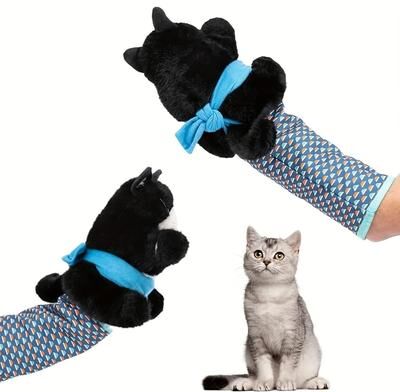
Uplifted Finds Predatory Engagement Wrestling Puppet Hub Predatory Engagement Wrestling Puppet HubTransform interactive play with the PredatoryEngagement Puppet, a professionalgrade interaction module engineered with manualsimulation logic. This highutility tool features a reinforced plush architecture and poseable limbs, specifically designed...85,97 $*Shipping: 0,00 $Secure redirect to the provider
-
DEVERA 6-Door Employee Storage Metal Locker for OfficeHighlights Ample Storage & Organization: Featuring six large compartments, this employee locker provides generous space for individualized storage. Suitable for various settings, including schools, homes, restaurants, garages, locker rooms, and dorms.259,99 $*Shipping: 0,00 $Secure redirect to the provider
-
Revlon Uniq One All in One Curls Shampoo 10 Benefits 230mLA shampoo. Uniq One All In One Curls Shampoo is designed specifically for curly hair, providing a gentle cleanse that removes impurities without stripping away natural oils. This nourishing shampoo maintains the natural volume of curls while ensuring they remain lightweight and bouncy. Transform your curls with a shampoo that nourishes without weighing them down.11,94 £*Shipping: 7,11 £Secure redirect to the provider
-
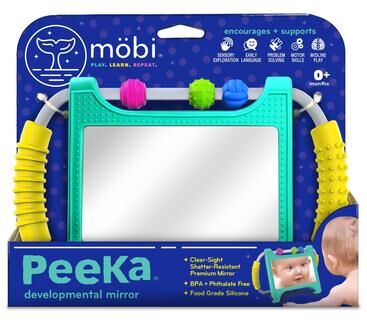
Mobi Peeka Development MirrorPEEKA® developmental mirror was designed by our team of doctors, therapists and parents to help children explore, learn and grow. When you place PEEKA® in the hands of your little ones, you will be amazed at the variety of ways they find to play...26,99 $*Shipping: 0,00 $Secure redirect to the provider


-
What is the difference between intrachromosomal recombination and interchromosomal recombination?
Intrachromosomal recombination occurs between two different regions of the same chromosome, leading to the exchange of genetic material within the same chromosome. On the other hand, interchromosomal recombination involves the exchange of genetic material between two different chromosomes. Intrachromosomal recombination can lead to the creation of genetic diversity within a single chromosome, while interchromosomal recombination can result in the exchange of genetic material between different chromosomes, leading to genetic diversity among different chromosomes. **
-
What is recombination in biology?
Recombination in biology refers to the process by which genetic material from two different sources is combined to produce a new combination of genes. This can occur through sexual reproduction, where genetic material from two parents is combined to create offspring with a unique genetic makeup. Recombination plays a crucial role in generating genetic diversity within populations, which is important for evolution and adaptation to changing environments. In organisms that reproduce sexually, recombination occurs during meiosis, where homologous chromosomes exchange genetic material through a process called crossing over. **
-
What is recombination and genetic variability?
Recombination is the process by which genetic material is exchanged between two similar molecules of DNA, resulting in new combinations of genes. This process occurs during meiosis, the cell division that produces gametes (sperm and egg cells). Genetic variability refers to the diversity of genetic material within a population, which is influenced by factors such as recombination, mutations, and gene flow. Recombination plays a key role in generating genetic variability by creating new combinations of genes, which can lead to increased diversity and adaptation within a population. **
-
How does crossing-over influence recombination?
Crossing-over is a process during meiosis where homologous chromosomes exchange genetic material. This exchange of genetic material results in new combinations of alleles on the chromosomes, leading to genetic recombination. By shuffling genetic material between homologous chromosomes, crossing-over increases genetic diversity in offspring and can result in the creation of new combinations of traits. This process is essential for generating genetic variation within a population and plays a crucial role in evolution. **
How many offspring are produced through recombination?
Recombination typically results in two offspring being produced. This is because during recombination, genetic material from two parent organisms is combined to create a new individual with a unique combination of traits. This process allows for genetic diversity and variation within a population. **
When does disproportionation occur instead of recombination?
Disproportionation occurs when a single species is both oxidized and reduced in a reaction, leading to the formation of two different products with different oxidation states. This process typically occurs when the species involved can exist in multiple oxidation states and there is no suitable reactant available for recombination. In contrast, recombination occurs when two species with different oxidation states combine to form a single product with an intermediate oxidation state. **
Top-Angebote
Products related to Recombination:
-
Anker Plus Member BenefitsShipping Service Free Next-Day Shipping (1 Item per Month) Free Express Shipping (1 Item per Month) AnkerCredits Rewards Earn 1.5 AnkerCredits for Every $1 Spent (Upgraded Benefit) Access Exclusive Redemption Products Warranty Extra 6-month extended...99,99 $*Shipping: 0,00 $Secure redirect to the provider
-
DEVERA 9-Door Employee Storage Metal LockerHighlights Ample Storage & Organization: Featuring 9 large compartments, this employee locker provides generous space for individualized storage. Suitable for various settings, including schools, homes, restaurants, garages, locker rooms, and dorms.288,57 $*Shipping: 0,00 $Secure redirect to the provider
-
Uplifted Finds Predatory Engagement Wrestling Puppet Hub Predatory Engagement Wrestling Puppet HubTransform interactive play with the PredatoryEngagement Puppet, a professionalgrade interaction module engineered with manualsimulation logic. This highutility tool features a reinforced plush architecture and poseable limbs, specifically designed...85,97 $*Shipping: 0,00 $Secure redirect to the provider
-
DEVERA 6-Door Employee Storage Metal Locker for OfficeHighlights Ample Storage & Organization: Featuring six large compartments, this employee locker provides generous space for individualized storage. Suitable for various settings, including schools, homes, restaurants, garages, locker rooms, and dorms.259,99 $*Shipping: 0,00 $Secure redirect to the provider
-
How do non-homologous recombination and homologous recombination work?
Non-homologous recombination involves the joining of two DNA molecules at non-homologous sequences, resulting in the insertion, deletion, or rearrangement of genetic material. This process is often error-prone and can lead to mutations. Homologous recombination, on the other hand, involves the exchange of genetic material between two similar DNA molecules, typically occurring during meiosis. This process is important for repairing DNA damage and ensuring genetic diversity. It involves the exchange of genetic material between homologous chromosomes, resulting in the formation of new combinations of genes. **
-
What is the difference between interchromosomal recombination and intrachromosomal recombination?
Interchromosomal recombination involves the exchange of genetic material between two different chromosomes, while intrachromosomal recombination involves the exchange of genetic material within the same chromosome. Interchromosomal recombination can result in the creation of new combinations of genes from different chromosomes, leading to genetic diversity. In contrast, intrachromosomal recombination can lead to the repair of DNA damage or the creation of genetic variation within the same chromosome. Both processes are important for genetic diversity and evolution. **
-
What is the difference between intrachromosomal recombination and interchromosomal recombination?
Intrachromosomal recombination occurs between two different regions of the same chromosome, leading to the exchange of genetic material within the same chromosome. On the other hand, interchromosomal recombination involves the exchange of genetic material between two different chromosomes. Intrachromosomal recombination can lead to the creation of genetic diversity within a single chromosome, while interchromosomal recombination can result in the exchange of genetic material between different chromosomes, leading to genetic diversity among different chromosomes. **
-
What is recombination in biology?
Recombination in biology refers to the process by which genetic material from two different sources is combined to produce a new combination of genes. This can occur through sexual reproduction, where genetic material from two parents is combined to create offspring with a unique genetic makeup. Recombination plays a crucial role in generating genetic diversity within populations, which is important for evolution and adaptation to changing environments. In organisms that reproduce sexually, recombination occurs during meiosis, where homologous chromosomes exchange genetic material through a process called crossing over. **
Similar search terms for Recombination
-
Revlon Uniq One All in One Curls Shampoo 10 Benefits 230mLA shampoo. Uniq One All In One Curls Shampoo is designed specifically for curly hair, providing a gentle cleanse that removes impurities without stripping away natural oils. This nourishing shampoo maintains the natural volume of curls while ensuring they remain lightweight and bouncy. Transform your curls with a shampoo that nourishes without weighing them down.11,94 £*Shipping: 7,11 £Secure redirect to the provider
-
Mobi Peeka Development MirrorPEEKA® developmental mirror was designed by our team of doctors, therapists and parents to help children explore, learn and grow. When you place PEEKA® in the hands of your little ones, you will be amazed at the variety of ways they find to play...26,99 $*Shipping: 0,00 $Secure redirect to the provider
-
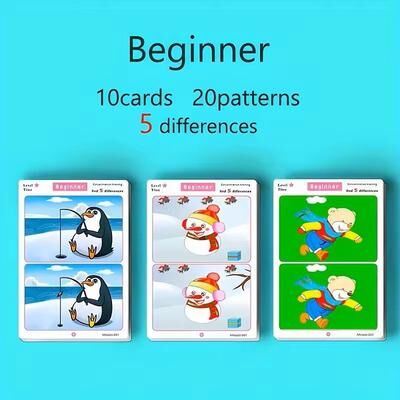
Inspire Select Interactive Training Card Set Observation, Logic & Thinking Skill Development Puzzle Cards For Kids beginnerIntroduction Help young minds develop stronger focus, reasoning, and creativity with this engaging training card set designed for handson learning. Each card features fun, interactive challenges that build observation, memory, and problemsolving...39,98 $*Shipping: 0,00 $Secure redirect to the provider
-
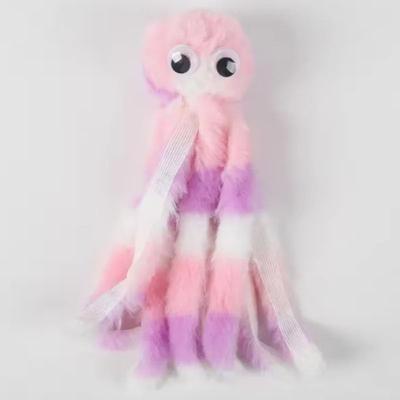
Uplifted Finds Octo Plush High Engagement Stimulator colorfulInject highintensity excitement into your pets day with the OctoPlush Stimulator, a multisensory toy engineered with tentacleflutter logic. Designed to mimic the erratic movement of aquatic prey, this 18 cm toy utilizes multistrand kinetic...33,97 $*Shipping: 0,00 $Secure redirect to the provider
-
What is recombination and genetic variability?
Recombination is the process by which genetic material is exchanged between two similar molecules of DNA, resulting in new combinations of genes. This process occurs during meiosis, the cell division that produces gametes (sperm and egg cells). Genetic variability refers to the diversity of genetic material within a population, which is influenced by factors such as recombination, mutations, and gene flow. Recombination plays a key role in generating genetic variability by creating new combinations of genes, which can lead to increased diversity and adaptation within a population. **
-
How does crossing-over influence recombination?
Crossing-over is a process during meiosis where homologous chromosomes exchange genetic material. This exchange of genetic material results in new combinations of alleles on the chromosomes, leading to genetic recombination. By shuffling genetic material between homologous chromosomes, crossing-over increases genetic diversity in offspring and can result in the creation of new combinations of traits. This process is essential for generating genetic variation within a population and plays a crucial role in evolution. **
-
How many offspring are produced through recombination?
Recombination typically results in two offspring being produced. This is because during recombination, genetic material from two parent organisms is combined to create a new individual with a unique combination of traits. This process allows for genetic diversity and variation within a population. **
-
When does disproportionation occur instead of recombination?
Disproportionation occurs when a single species is both oxidized and reduced in a reaction, leading to the formation of two different products with different oxidation states. This process typically occurs when the species involved can exist in multiple oxidation states and there is no suitable reactant available for recombination. In contrast, recombination occurs when two species with different oxidation states combine to form a single product with an intermediate oxidation state. **
* All prices are inclusive of VAT and, if applicable, plus shipping costs. The offer information is based on the details provided by the respective shop and is updated through automated processes. Real-time updates do not occur, so deviations can occur in individual cases. ** Note: Parts of this content were created by AI.