Buy hrcafe.eu ?
We are moving the project
hrcafe.eu .
Are you interested in purchasing the domain
hrcafe.eu ?
domain@kv-gmbh.de · 0541-91531010
Buy hrcafe.eu ?
What are stakeholders?
Stakeholders are individuals, groups, or organizations that have an interest or concern in a particular project, organization, or issue. They can include employees, customers, suppliers, investors, government agencies, and the local community. Stakeholders can have varying levels of influence and impact on the decisions and outcomes of the project or organization, and it is important to consider their perspectives and needs in decision-making processes. Effective stakeholder management involves identifying and engaging with stakeholders to understand their interests and concerns and to ensure their input is considered in decision-making. **
What are Shareholders, Stakeholders, and Bondholders?
Shareholders are individuals or entities that own shares of a company's stock, which represents ownership in the company and entitles them to a portion of the company's profits. Stakeholders are individuals or groups who have an interest in the company and can be affected by its actions, such as employees, customers, suppliers, and the local community. Bondholders are individuals or entities that have lent money to the company by purchasing bonds, which represent a debt obligation of the company and entitle the bondholders to receive interest payments and repayment of the principal amount at a specified future date. **


Similar search terms for Stakeholders
Top-Angebote
Products related to Stakeholders:
-
Uplifted Finds Predatory Engagement Wrestling Puppet Hub Predatory Engagement Wrestling Puppet HubTransform interactive play with the PredatoryEngagement Puppet, a professionalgrade interaction module engineered with manualsimulation logic. This highutility tool features a reinforced plush architecture and poseable limbs, specifically designed...85,97 $*Shipping: 0,00 $Secure redirect to the provider
-
DEVERA 6-Door Employee Storage Metal Locker for OfficeHighlights Ample Storage & Organization: Featuring six large compartments, this employee locker provides generous space for individualized storage. Suitable for various settings, including schools, homes, restaurants, garages, locker rooms, and dorms.259,99 $*Shipping: 0,00 $Secure redirect to the provider
-
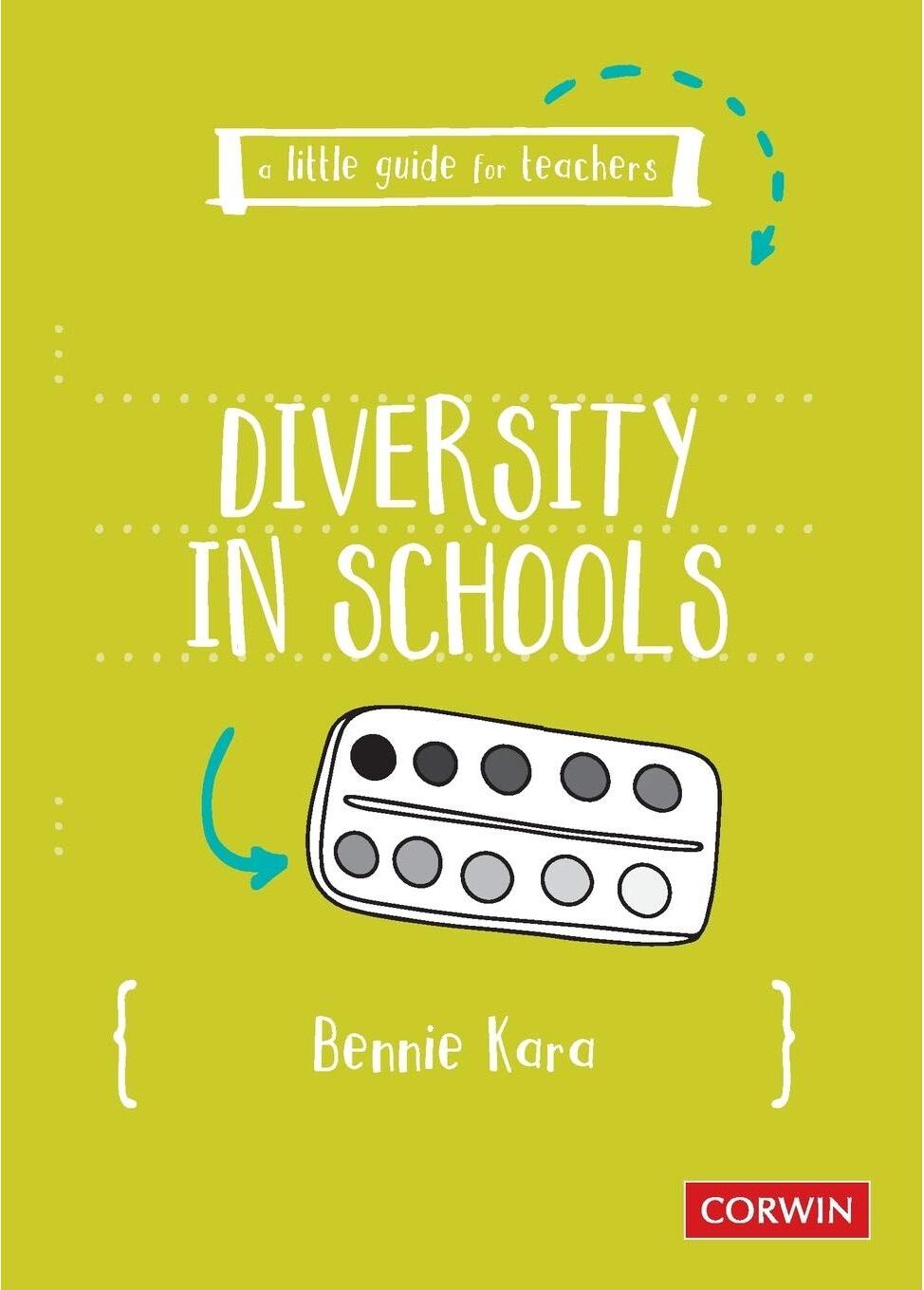
SAGE Publications A Little Guide for Teachers: Diversity in Schools (A Little Guide for Teachers)A Little Guide for Teachers: Diversity in Schools aims to provide starting points for teachers and leaders in creating a curriculum, either across disciplines or within subjects, that is as deep and diverse as their students. The Little Guide for Teachers series is little in size but BIG on all the support and inspiration you need to navigate your day to day life as a teacher. · Authored by experts in the field · Easy to dip in-and-out of · Interactive activities encourage you to write into the book and make it your own · Fun engaging illustrations throughout · Read in an afternoon or take as long as you like with it!12,99 £*Shipping: 2,99 £Secure redirect to the provider
-
Inspire Select Interactive Training Card Set Observation, Logic & Thinking Skill Development Puzzle Cards For Kids intermediateIntroduction Help young minds develop stronger focus, reasoning, and creativity with this engaging training card set designed for handson learning. Each card features fun, interactive challenges that build observation, memory, and problemsolving...40,98 $*Shipping: 0,00 $Secure redirect to the provider



-
What is the exact difference between shareholders and stakeholders?
Shareholders are individuals or entities that own shares of a company's stock, making them partial owners of the company. Their main interest is in the financial performance of the company and the value of their investment. On the other hand, stakeholders are individuals or groups that are affected by the actions and decisions of the company, including employees, customers, suppliers, and the community. They have a broader interest in the company's overall impact on society, the environment, and the economy, beyond just financial returns. While shareholders have a direct financial stake in the company, stakeholders have a more diverse set of interests and concerns. **
-
What are the conflicts of interest between shareholders and stakeholders?
Shareholders are primarily concerned with maximizing profits and increasing the value of their investment, which may lead to decisions that prioritize short-term financial gains over the long-term well-being of stakeholders such as employees, customers, and the community. On the other hand, stakeholders are interested in various aspects of the company's operations, including its impact on the environment, society, and overall sustainability, which may conflict with the profit-driven motives of shareholders. These conflicts of interest can arise when shareholders push for cost-cutting measures that may negatively impact stakeholders, or when stakeholders advocate for social responsibility initiatives that may reduce shareholder returns in the short term. Balancing the interests of both shareholders and stakeholders is a key challenge for companies seeking to achieve sustainable and responsible business practices. **
-
What does success dilution mean in the context of share and stakeholders?
Success dilution in the context of shares and stakeholders refers to the decrease in the value of an individual's ownership stake in a company as a result of the issuance of additional shares. This can occur when a company issues new shares to raise capital, which can reduce the percentage ownership of existing shareholders. Success dilution can also occur when a company grants stock options or awards to employees, which can increase the total number of shares outstanding and dilute the ownership of existing shareholders. Overall, success dilution can impact the value and influence of existing shareholders in a company. **
-
What is the diversity development field?
The diversity development field focuses on creating and promoting inclusive environments within organizations. It involves implementing strategies and programs to support diversity, equity, and inclusion, as well as addressing issues related to bias, discrimination, and inequality. This field also encompasses training, education, and advocacy efforts to foster a culture of respect and belonging for individuals from diverse backgrounds. Overall, the diversity development field aims to create positive and equitable experiences for all members of an organization. **


What are the benefits of diversity?
Diversity brings a variety of perspectives, experiences, and ideas to the table, which can lead to more creative and innovative solutions to problems. It also fosters a more inclusive and welcoming environment, where individuals feel valued and respected for their unique backgrounds and identities. Additionally, diversity can lead to a more well-rounded and comprehensive understanding of different cultures and communities, which can help bridge gaps and promote understanding and empathy. Overall, embracing diversity can lead to a more dynamic and enriching society and workplace. **
Is cultural diversity a prerequisite for understanding one's own culture?
Cultural diversity can provide valuable perspectives and insights that can enhance one's understanding of their own culture. By interacting with people from different cultural backgrounds, individuals can gain a deeper appreciation for their own cultural norms, values, and traditions. Exposure to diverse cultures can also challenge assumptions and biases, leading to a more critical and nuanced understanding of one's own cultural identity. However, while cultural diversity can be beneficial in this regard, it is not necessarily a prerequisite for understanding one's own culture, as individuals can also develop a strong sense of cultural identity through introspection, education, and engagement with their own community. **
Top-Angebote
Products related to Stakeholders:
-
Anker Plus Member BenefitsShipping Service Free Next-Day Shipping (1 Item per Month) Free Express Shipping (1 Item per Month) AnkerCredits Rewards Earn 1.5 AnkerCredits for Every $1 Spent (Upgraded Benefit) Access Exclusive Redemption Products Warranty Extra 6-month extended...99,99 $*Shipping: 0,00 $Secure redirect to the provider
-
DEVERA 9-Door Employee Storage Metal LockerHighlights Ample Storage & Organization: Featuring 9 large compartments, this employee locker provides generous space for individualized storage. Suitable for various settings, including schools, homes, restaurants, garages, locker rooms, and dorms.288,57 $*Shipping: 0,00 $Secure redirect to the provider
-
Uplifted Finds Predatory Engagement Wrestling Puppet Hub Predatory Engagement Wrestling Puppet HubTransform interactive play with the PredatoryEngagement Puppet, a professionalgrade interaction module engineered with manualsimulation logic. This highutility tool features a reinforced plush architecture and poseable limbs, specifically designed...85,97 $*Shipping: 0,00 $Secure redirect to the provider
-
DEVERA 6-Door Employee Storage Metal Locker for OfficeHighlights Ample Storage & Organization: Featuring six large compartments, this employee locker provides generous space for individualized storage. Suitable for various settings, including schools, homes, restaurants, garages, locker rooms, and dorms.259,99 $*Shipping: 0,00 $Secure redirect to the provider
-
What are stakeholders?
Stakeholders are individuals, groups, or organizations that have an interest or concern in a particular project, organization, or issue. They can include employees, customers, suppliers, investors, government agencies, and the local community. Stakeholders can have varying levels of influence and impact on the decisions and outcomes of the project or organization, and it is important to consider their perspectives and needs in decision-making processes. Effective stakeholder management involves identifying and engaging with stakeholders to understand their interests and concerns and to ensure their input is considered in decision-making. **
-
What are Shareholders, Stakeholders, and Bondholders?
Shareholders are individuals or entities that own shares of a company's stock, which represents ownership in the company and entitles them to a portion of the company's profits. Stakeholders are individuals or groups who have an interest in the company and can be affected by its actions, such as employees, customers, suppliers, and the local community. Bondholders are individuals or entities that have lent money to the company by purchasing bonds, which represent a debt obligation of the company and entitle the bondholders to receive interest payments and repayment of the principal amount at a specified future date. **
-
What is the exact difference between shareholders and stakeholders?
Shareholders are individuals or entities that own shares of a company's stock, making them partial owners of the company. Their main interest is in the financial performance of the company and the value of their investment. On the other hand, stakeholders are individuals or groups that are affected by the actions and decisions of the company, including employees, customers, suppliers, and the community. They have a broader interest in the company's overall impact on society, the environment, and the economy, beyond just financial returns. While shareholders have a direct financial stake in the company, stakeholders have a more diverse set of interests and concerns. **
-
What are the conflicts of interest between shareholders and stakeholders?
Shareholders are primarily concerned with maximizing profits and increasing the value of their investment, which may lead to decisions that prioritize short-term financial gains over the long-term well-being of stakeholders such as employees, customers, and the community. On the other hand, stakeholders are interested in various aspects of the company's operations, including its impact on the environment, society, and overall sustainability, which may conflict with the profit-driven motives of shareholders. These conflicts of interest can arise when shareholders push for cost-cutting measures that may negatively impact stakeholders, or when stakeholders advocate for social responsibility initiatives that may reduce shareholder returns in the short term. Balancing the interests of both shareholders and stakeholders is a key challenge for companies seeking to achieve sustainable and responsible business practices. **
Similar search terms for Stakeholders
-
SAGE Publications A Little Guide for Teachers: Diversity in Schools (A Little Guide for Teachers)A Little Guide for Teachers: Diversity in Schools aims to provide starting points for teachers and leaders in creating a curriculum, either across disciplines or within subjects, that is as deep and diverse as their students. The Little Guide for Teachers series is little in size but BIG on all the support and inspiration you need to navigate your day to day life as a teacher. · Authored by experts in the field · Easy to dip in-and-out of · Interactive activities encourage you to write into the book and make it your own · Fun engaging illustrations throughout · Read in an afternoon or take as long as you like with it!12,99 £*Shipping: 2,99 £Secure redirect to the provider
-
Inspire Select Interactive Training Card Set Observation, Logic & Thinking Skill Development Puzzle Cards For Kids intermediateIntroduction Help young minds develop stronger focus, reasoning, and creativity with this engaging training card set designed for handson learning. Each card features fun, interactive challenges that build observation, memory, and problemsolving...40,98 $*Shipping: 0,00 $Secure redirect to the provider
-
What does success dilution mean in the context of share and stakeholders?
Success dilution in the context of shares and stakeholders refers to the decrease in the value of an individual's ownership stake in a company as a result of the issuance of additional shares. This can occur when a company issues new shares to raise capital, which can reduce the percentage ownership of existing shareholders. Success dilution can also occur when a company grants stock options or awards to employees, which can increase the total number of shares outstanding and dilute the ownership of existing shareholders. Overall, success dilution can impact the value and influence of existing shareholders in a company. **
-
What is the diversity development field?
The diversity development field focuses on creating and promoting inclusive environments within organizations. It involves implementing strategies and programs to support diversity, equity, and inclusion, as well as addressing issues related to bias, discrimination, and inequality. This field also encompasses training, education, and advocacy efforts to foster a culture of respect and belonging for individuals from diverse backgrounds. Overall, the diversity development field aims to create positive and equitable experiences for all members of an organization. **
-
What are the benefits of diversity?
Diversity brings a variety of perspectives, experiences, and ideas to the table, which can lead to more creative and innovative solutions to problems. It also fosters a more inclusive and welcoming environment, where individuals feel valued and respected for their unique backgrounds and identities. Additionally, diversity can lead to a more well-rounded and comprehensive understanding of different cultures and communities, which can help bridge gaps and promote understanding and empathy. Overall, embracing diversity can lead to a more dynamic and enriching society and workplace. **
-
Is cultural diversity a prerequisite for understanding one's own culture?
Cultural diversity can provide valuable perspectives and insights that can enhance one's understanding of their own culture. By interacting with people from different cultural backgrounds, individuals can gain a deeper appreciation for their own cultural norms, values, and traditions. Exposure to diverse cultures can also challenge assumptions and biases, leading to a more critical and nuanced understanding of one's own cultural identity. However, while cultural diversity can be beneficial in this regard, it is not necessarily a prerequisite for understanding one's own culture, as individuals can also develop a strong sense of cultural identity through introspection, education, and engagement with their own community. **
* All prices are inclusive of VAT and, if applicable, plus shipping costs. The offer information is based on the details provided by the respective shop and is updated through automated processes. Real-time updates do not occur, so deviations can occur in individual cases. ** Note: Parts of this content were created by AI.