Buy hrcafe.eu ?
We are moving the project
hrcafe.eu .
Are you interested in purchasing the domain
hrcafe.eu ?
domain@kv-gmbh.de · 0541-91531010
Buy hrcafe.eu ?
What causes muscle twitching hours after training?
Muscle twitching hours after training can be caused by a few factors. One common reason is muscle fatigue and overuse during the workout, leading to small muscle contractions or spasms. Dehydration or electrolyte imbalances can also contribute to muscle twitching post-exercise. Additionally, insufficient stretching or cool down after a workout can result in muscle twitching as well. **
Can slowly twitching and fast twitching muscles be trained equally well?
Slow twitching and fast twitching muscles can be trained equally well, but they require different training approaches. Slow twitching muscles are best trained with endurance activities such as long-distance running or swimming, while fast twitching muscles respond better to explosive and high-intensity activities like sprinting or weightlifting. By incorporating a variety of training methods into a workout routine, both types of muscles can be effectively trained to improve overall muscle strength and performance. **


Similar search terms for Twitching
Top-Angebote
Products related to Twitching:
-
Uplifted Finds Predatory Engagement Wrestling Puppet Hub Predatory Engagement Wrestling Puppet HubTransform interactive play with the PredatoryEngagement Puppet, a professionalgrade interaction module engineered with manualsimulation logic. This highutility tool features a reinforced plush architecture and poseable limbs, specifically designed...85,97 $*Shipping: 0,00 $Secure redirect to the provider
-
DEVERA 6-Door Employee Storage Metal Locker for OfficeHighlights Ample Storage & Organization: Featuring six large compartments, this employee locker provides generous space for individualized storage. Suitable for various settings, including schools, homes, restaurants, garages, locker rooms, and dorms.259,99 $*Shipping: 0,00 $Secure redirect to the provider
-
Inspire Select Interactive Training Card Set Observation, Logic & Thinking Skill Development Puzzle Cards For Kids intermediateIntroduction Help young minds develop stronger focus, reasoning, and creativity with this engaging training card set designed for handson learning. Each card features fun, interactive challenges that build observation, memory, and problemsolving...40,98 $*Shipping: 0,00 $Secure redirect to the provider
-
Uplifted Finds Octo Plush High Engagement Stimulator colorfulInject highintensity excitement into your pets day with the OctoPlush Stimulator, a multisensory toy engineered with tentacleflutter logic. Designed to mimic the erratic movement of aquatic prey, this 18 cm toy utilizes multistrand kinetic...33,97 $*Shipping: 0,00 $Secure redirect to the provider




-
What causes involuntary twitching?
Involuntary twitching can be caused by a variety of factors, including stress, fatigue, caffeine, and certain medications. It can also be a result of neurological conditions such as dystonia, Parkinson's disease, or Tourette syndrome. In some cases, involuntary twitching may be a symptom of an underlying medical condition or a side effect of certain medications. It is important to consult a healthcare professional if you are experiencing frequent or persistent involuntary twitching to determine the underlying cause and receive appropriate treatment. **
-
What is sudden twitching?
Sudden twitching refers to a quick, involuntary muscle movement that can occur in any part of the body. It is often described as a brief, jerking motion that can happen spontaneously without warning. Sudden twitching can be caused by various factors such as stress, fatigue, caffeine intake, or certain medical conditions. While occasional twitching is usually harmless, persistent or severe twitching may warrant medical attention to determine the underlying cause. **
-
What is eye twitching?
Eye twitching, also known as myokymia, is a repetitive, involuntary spasm of the eyelid muscles. It can occur in either the upper or lower eyelid and is usually harmless and temporary. Common causes of eye twitching include stress, fatigue, caffeine intake, and eye strain. In most cases, eye twitching resolves on its own without the need for medical treatment. **
-
What causes eye twitching?
Eye twitching, also known as myokymia, is often caused by factors such as stress, fatigue, caffeine intake, and eye strain. Other possible causes include dry eyes, allergies, nutritional deficiencies, and certain medications. In most cases, eye twitching is harmless and tends to resolve on its own. However, if the twitching persists or is accompanied by other symptoms, it is advisable to consult a healthcare professional for further evaluation. **

What is muscle twitching?
Muscle twitching, also known as fasciculations, is the involuntary contraction of small muscle fibers. These twitches can be visible under the skin and may feel like a slight fluttering or spasm. Muscle twitching can be caused by a variety of factors such as stress, fatigue, caffeine intake, or certain medical conditions. In most cases, muscle twitching is harmless and temporary, but persistent or widespread twitching may warrant further evaluation by a healthcare professional. **
Is controllable eye twitching dangerous?
Controllable eye twitching, also known as myokymia, is generally not dangerous. It is often caused by factors such as stress, fatigue, caffeine, or eye strain, and typically resolves on its own without any long-term effects. However, if the eye twitching is persistent, severe, or accompanied by other symptoms such as drooping eyelids or facial spasms, it is important to consult a healthcare professional to rule out any underlying medical conditions. **
Top-Angebote
Products related to Twitching:
-
Anker Plus Member BenefitsShipping Service Free Next-Day Shipping (1 Item per Month) Free Express Shipping (1 Item per Month) AnkerCredits Rewards Earn 1.5 AnkerCredits for Every $1 Spent (Upgraded Benefit) Access Exclusive Redemption Products Warranty Extra 6-month extended...99,99 $*Shipping: 0,00 $Secure redirect to the provider
-
DEVERA 9-Door Employee Storage Metal LockerHighlights Ample Storage & Organization: Featuring 9 large compartments, this employee locker provides generous space for individualized storage. Suitable for various settings, including schools, homes, restaurants, garages, locker rooms, and dorms.288,57 $*Shipping: 0,00 $Secure redirect to the provider
-
Uplifted Finds Predatory Engagement Wrestling Puppet Hub Predatory Engagement Wrestling Puppet HubTransform interactive play with the PredatoryEngagement Puppet, a professionalgrade interaction module engineered with manualsimulation logic. This highutility tool features a reinforced plush architecture and poseable limbs, specifically designed...85,97 $*Shipping: 0,00 $Secure redirect to the provider
-
DEVERA 6-Door Employee Storage Metal Locker for OfficeHighlights Ample Storage & Organization: Featuring six large compartments, this employee locker provides generous space for individualized storage. Suitable for various settings, including schools, homes, restaurants, garages, locker rooms, and dorms.259,99 $*Shipping: 0,00 $Secure redirect to the provider
-
What causes muscle twitching hours after training?
Muscle twitching hours after training can be caused by a few factors. One common reason is muscle fatigue and overuse during the workout, leading to small muscle contractions or spasms. Dehydration or electrolyte imbalances can also contribute to muscle twitching post-exercise. Additionally, insufficient stretching or cool down after a workout can result in muscle twitching as well. **
-
Can slowly twitching and fast twitching muscles be trained equally well?
Slow twitching and fast twitching muscles can be trained equally well, but they require different training approaches. Slow twitching muscles are best trained with endurance activities such as long-distance running or swimming, while fast twitching muscles respond better to explosive and high-intensity activities like sprinting or weightlifting. By incorporating a variety of training methods into a workout routine, both types of muscles can be effectively trained to improve overall muscle strength and performance. **
-
What causes involuntary twitching?
Involuntary twitching can be caused by a variety of factors, including stress, fatigue, caffeine, and certain medications. It can also be a result of neurological conditions such as dystonia, Parkinson's disease, or Tourette syndrome. In some cases, involuntary twitching may be a symptom of an underlying medical condition or a side effect of certain medications. It is important to consult a healthcare professional if you are experiencing frequent or persistent involuntary twitching to determine the underlying cause and receive appropriate treatment. **
-
What is sudden twitching?
Sudden twitching refers to a quick, involuntary muscle movement that can occur in any part of the body. It is often described as a brief, jerking motion that can happen spontaneously without warning. Sudden twitching can be caused by various factors such as stress, fatigue, caffeine intake, or certain medical conditions. While occasional twitching is usually harmless, persistent or severe twitching may warrant medical attention to determine the underlying cause. **
Similar search terms for Twitching
-
Inspire Select Interactive Training Card Set Observation, Logic & Thinking Skill Development Puzzle Cards For Kids intermediateIntroduction Help young minds develop stronger focus, reasoning, and creativity with this engaging training card set designed for handson learning. Each card features fun, interactive challenges that build observation, memory, and problemsolving...40,98 $*Shipping: 0,00 $Secure redirect to the provider
-
Uplifted Finds Octo Plush High Engagement Stimulator colorfulInject highintensity excitement into your pets day with the OctoPlush Stimulator, a multisensory toy engineered with tentacleflutter logic. Designed to mimic the erratic movement of aquatic prey, this 18 cm toy utilizes multistrand kinetic...33,97 $*Shipping: 0,00 $Secure redirect to the provider
-
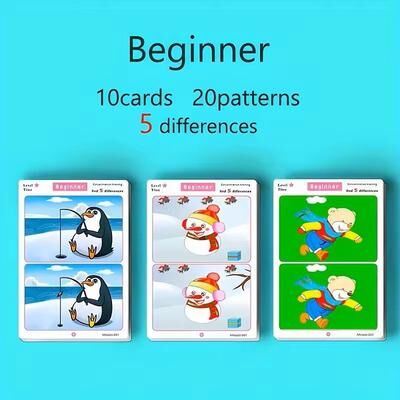
Inspire Select Interactive Training Card Set Observation, Logic & Thinking Skill Development Puzzle Cards For Kids beginnerIntroduction Help young minds develop stronger focus, reasoning, and creativity with this engaging training card set designed for handson learning. Each card features fun, interactive challenges that build observation, memory, and problemsolving...39,98 $*Shipping: 0,00 $Secure redirect to the provider
-
Inspire Select Interactive Training Card Set Observation, Logic & Thinking Skill Development Puzzle Cards For Kids advancedIntroduction Help young minds develop stronger focus, reasoning, and creativity with this engaging training card set designed for handson learning. Each card features fun, interactive challenges that build observation, memory, and problemsolving...40,98 $*Shipping: 0,00 $Secure redirect to the provider
-
What is eye twitching?
Eye twitching, also known as myokymia, is a repetitive, involuntary spasm of the eyelid muscles. It can occur in either the upper or lower eyelid and is usually harmless and temporary. Common causes of eye twitching include stress, fatigue, caffeine intake, and eye strain. In most cases, eye twitching resolves on its own without the need for medical treatment. **
-
What causes eye twitching?
Eye twitching, also known as myokymia, is often caused by factors such as stress, fatigue, caffeine intake, and eye strain. Other possible causes include dry eyes, allergies, nutritional deficiencies, and certain medications. In most cases, eye twitching is harmless and tends to resolve on its own. However, if the twitching persists or is accompanied by other symptoms, it is advisable to consult a healthcare professional for further evaluation. **
-
What is muscle twitching?
Muscle twitching, also known as fasciculations, is the involuntary contraction of small muscle fibers. These twitches can be visible under the skin and may feel like a slight fluttering or spasm. Muscle twitching can be caused by a variety of factors such as stress, fatigue, caffeine intake, or certain medical conditions. In most cases, muscle twitching is harmless and temporary, but persistent or widespread twitching may warrant further evaluation by a healthcare professional. **
-
Is controllable eye twitching dangerous?
Controllable eye twitching, also known as myokymia, is generally not dangerous. It is often caused by factors such as stress, fatigue, caffeine, or eye strain, and typically resolves on its own without any long-term effects. However, if the eye twitching is persistent, severe, or accompanied by other symptoms such as drooping eyelids or facial spasms, it is important to consult a healthcare professional to rule out any underlying medical conditions. **
* All prices are inclusive of VAT and, if applicable, plus shipping costs. The offer information is based on the details provided by the respective shop and is updated through automated processes. Real-time updates do not occur, so deviations can occur in individual cases. ** Note: Parts of this content were created by AI.