Buy hrcafe.eu ?
We are moving the project
hrcafe.eu .
Are you interested in purchasing the domain
hrcafe.eu ?
domain@kv-gmbh.de · 0541-91531010
Buy hrcafe.eu ?
Are organic acids, aliphatic acids, and carboxylic acids the same?
No, organic acids, aliphatic acids, and carboxylic acids are not the same. Organic acids are a broad category of acids that are derived from living organisms and can include carboxylic acids, as well as other types of acids such as phenols and sulfonic acids. Aliphatic acids are a specific subset of organic acids that are characterized by having straight or branched carbon chains. Carboxylic acids are a type of organic acid that contain a carboxyl group (COOH) and are a subset of aliphatic acids. Therefore, while all carboxylic acids are organic acids and aliphatic acids, not all organic acids or aliphatic acids are carboxylic acids. **
Do these omega-3 fatty acids bring any benefits, these four omega-3 fatty acids?
Yes, omega-3 fatty acids provide numerous health benefits. They are known to reduce inflammation, improve heart health by lowering blood pressure and triglyceride levels, support brain function and development, and may even help reduce the risk of chronic diseases like Alzheimer's and arthritis. Including omega-3 fatty acids in your diet through sources like fish, flaxseeds, and walnuts can contribute to overall well-being. **

Similar search terms for Acids
Top-Angebote
Products related to Acids:
-
Anker Plus Member BenefitsShipping Service Free Next-Day Shipping (1 Item per Month) Free Express Shipping (1 Item per Month) AnkerCredits Rewards Earn 1.5 AnkerCredits for Every $1 Spent (Upgraded Benefit) Access Exclusive Redemption Products Warranty Extra 6-month extended...99,99 $*Shipping: 0,00 $Secure redirect to the provider
-
DEVERA 9-Door Employee Storage Metal LockerHighlights Ample Storage & Organization: Featuring 9 large compartments, this employee locker provides generous space for individualized storage. Suitable for various settings, including schools, homes, restaurants, garages, locker rooms, and dorms.288,57 $*Shipping: 0,00 $Secure redirect to the provider
-
Uplifted Finds Predatory Engagement Wrestling Puppet Hub Predatory Engagement Wrestling Puppet HubTransform interactive play with the PredatoryEngagement Puppet, a professionalgrade interaction module engineered with manualsimulation logic. This highutility tool features a reinforced plush architecture and poseable limbs, specifically designed...85,97 $*Shipping: 0,00 $Secure redirect to the provider
-
DEVERA 6-Door Employee Storage Metal Locker for OfficeHighlights Ample Storage & Organization: Featuring six large compartments, this employee locker provides generous space for individualized storage. Suitable for various settings, including schools, homes, restaurants, garages, locker rooms, and dorms.259,99 $*Shipping: 0,00 $Secure redirect to the provider




-
How do inorganic acids differ from carboxylic acids?
Inorganic acids are typically derived from inorganic compounds and do not contain a carboxyl group (–COOH) like carboxylic acids. Inorganic acids are usually simpler in structure and are often strong acids, meaning they completely dissociate in water to release hydrogen ions. Carboxylic acids, on the other hand, contain a carboxyl group and are organic compounds that are typically weaker acids compared to inorganic acids. Additionally, carboxylic acids are commonly found in nature and are important in biological processes. **
-
Do strong acids conduct electricity better than weak acids?
Yes, strong acids conduct electricity better than weak acids. This is because strong acids completely dissociate into ions in solution, resulting in a higher concentration of ions available to carry an electric current. On the other hand, weak acids only partially dissociate, leading to a lower concentration of ions and therefore lower conductivity. **
-
Why are simple organic acids also called alkanic acids?
Simple organic acids are also called alkanic acids because they are derived from alkanes, which are saturated hydrocarbons. These acids contain a carboxyl group (-COOH) attached to an alkyl group, which is a hydrocarbon chain. The alkyl group in these acids is derived from alkanes, hence the name alkanic acids. Examples of alkanic acids include acetic acid (derived from methane) and formic acid (derived from methanol). **
-
Why are simple organic acids also called alkanes acids?
Simple organic acids are also called alkanes acids because they are derived from alkanes, which are saturated hydrocarbons. These acids have a carboxyl group (-COOH) attached to an alkyl group, making them a type of alkane derivative. The simplest organic acid, formic acid, is derived from methane, the simplest alkane. The naming convention reflects the structural relationship between alkanes and organic acids. **


Why are amino acids divided into polar and nonpolar amino acids?
Amino acids are divided into polar and nonpolar categories based on the chemical properties of their side chains. This division is important because it helps to understand how amino acids interact with each other and with their environment. Polar amino acids have side chains that contain functional groups such as hydroxyl, amine, or carboxyl groups, which can form hydrogen bonds and interact with water. Nonpolar amino acids have side chains that are hydrophobic and do not readily interact with water. This classification is crucial for understanding protein structure, function, and interactions. **
What are the similarities between amino acids, fatty acids, and carbohydrates?
Amino acids, fatty acids, and carbohydrates are all essential components of the human diet and are necessary for the body to function properly. They are all organic compounds that contain carbon, hydrogen, and oxygen. Additionally, they all play a crucial role in providing energy for the body. Furthermore, they are all used as building blocks for various molecules in the body, such as proteins, lipids, and glycogen. **
Top-Angebote
Products related to Acids:
-
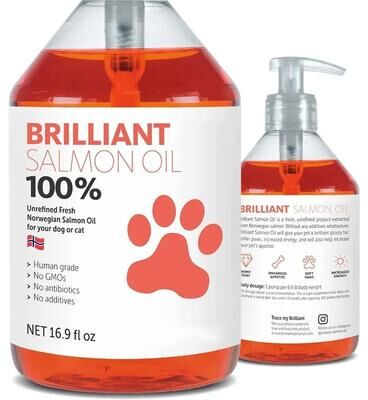
Inspired Finds Natural Salmon Fish Oil Supplement For Dogs & Cats With Omega Fatty Acids Natural Salmon Fish Oil Supplement For Dogs & Cats With Omega Fatty AcidsSupport your pets overall wellness with this nutrientrich salmon fish oil for pets formulated to help maintain healthy skin, a shiny coat, strong joints, and daily vitality. Packed with essential omega fatty acids, this easytouse liquid supplement...78,99 $*Shipping: 0,00 $Secure redirect to the provider
-
Happy Pet Pantry Premium Salmon Oil For Dogs And Cats Liquid Omega 3 Fatty Acids Pet Supplement For Skin Premium Salmon Oil For Dogs And Cats Liquid Omega 3 Fatty Acids Pet Supplement For SkinGive your furry companion the daily boost they deserve with this deeply nourishing liquid supplement, crafted for both dogs and cats. This 100ml bottle of pure salmon oil delivers concentrated omega 3 fatty acids pet supplement goodness that...32,97 $*Shipping: 0,00 $Secure redirect to the provider
-
Anker Plus Member BenefitsShipping Service Free Next-Day Shipping (1 Item per Month) Free Express Shipping (1 Item per Month) AnkerCredits Rewards Earn 1.5 AnkerCredits for Every $1 Spent (Upgraded Benefit) Access Exclusive Redemption Products Warranty Extra 6-month extended...99,99 $*Shipping: 0,00 $Secure redirect to the provider
-
DEVERA 9-Door Employee Storage Metal LockerHighlights Ample Storage & Organization: Featuring 9 large compartments, this employee locker provides generous space for individualized storage. Suitable for various settings, including schools, homes, restaurants, garages, locker rooms, and dorms.288,57 $*Shipping: 0,00 $Secure redirect to the provider
-
Are organic acids, aliphatic acids, and carboxylic acids the same?
No, organic acids, aliphatic acids, and carboxylic acids are not the same. Organic acids are a broad category of acids that are derived from living organisms and can include carboxylic acids, as well as other types of acids such as phenols and sulfonic acids. Aliphatic acids are a specific subset of organic acids that are characterized by having straight or branched carbon chains. Carboxylic acids are a type of organic acid that contain a carboxyl group (COOH) and are a subset of aliphatic acids. Therefore, while all carboxylic acids are organic acids and aliphatic acids, not all organic acids or aliphatic acids are carboxylic acids. **
-
Do these omega-3 fatty acids bring any benefits, these four omega-3 fatty acids?
Yes, omega-3 fatty acids provide numerous health benefits. They are known to reduce inflammation, improve heart health by lowering blood pressure and triglyceride levels, support brain function and development, and may even help reduce the risk of chronic diseases like Alzheimer's and arthritis. Including omega-3 fatty acids in your diet through sources like fish, flaxseeds, and walnuts can contribute to overall well-being. **
-
How do inorganic acids differ from carboxylic acids?
Inorganic acids are typically derived from inorganic compounds and do not contain a carboxyl group (–COOH) like carboxylic acids. Inorganic acids are usually simpler in structure and are often strong acids, meaning they completely dissociate in water to release hydrogen ions. Carboxylic acids, on the other hand, contain a carboxyl group and are organic compounds that are typically weaker acids compared to inorganic acids. Additionally, carboxylic acids are commonly found in nature and are important in biological processes. **
-
Do strong acids conduct electricity better than weak acids?
Yes, strong acids conduct electricity better than weak acids. This is because strong acids completely dissociate into ions in solution, resulting in a higher concentration of ions available to carry an electric current. On the other hand, weak acids only partially dissociate, leading to a lower concentration of ions and therefore lower conductivity. **
Similar search terms for Acids
-
Uplifted Finds Predatory Engagement Wrestling Puppet Hub Predatory Engagement Wrestling Puppet HubTransform interactive play with the PredatoryEngagement Puppet, a professionalgrade interaction module engineered with manualsimulation logic. This highutility tool features a reinforced plush architecture and poseable limbs, specifically designed...85,97 $*Shipping: 0,00 $Secure redirect to the provider
-
DEVERA 6-Door Employee Storage Metal Locker for OfficeHighlights Ample Storage & Organization: Featuring six large compartments, this employee locker provides generous space for individualized storage. Suitable for various settings, including schools, homes, restaurants, garages, locker rooms, and dorms.259,99 $*Shipping: 0,00 $Secure redirect to the provider
-
SAGE Publications A Little Guide for Teachers: Diversity in Schools (A Little Guide for Teachers)A Little Guide for Teachers: Diversity in Schools aims to provide starting points for teachers and leaders in creating a curriculum, either across disciplines or within subjects, that is as deep and diverse as their students. The Little Guide for Teachers series is little in size but BIG on all the support and inspiration you need to navigate your day to day life as a teacher. · Authored by experts in the field · Easy to dip in-and-out of · Interactive activities encourage you to write into the book and make it your own · Fun engaging illustrations throughout · Read in an afternoon or take as long as you like with it!12,99 £*Shipping: 2,99 £Secure redirect to the provider
-
Inspire Select Interactive Training Card Set Observation, Logic & Thinking Skill Development Puzzle Cards For Kids intermediateIntroduction Help young minds develop stronger focus, reasoning, and creativity with this engaging training card set designed for handson learning. Each card features fun, interactive challenges that build observation, memory, and problemsolving...40,98 $*Shipping: 0,00 $Secure redirect to the provider
-
Why are simple organic acids also called alkanic acids?
Simple organic acids are also called alkanic acids because they are derived from alkanes, which are saturated hydrocarbons. These acids contain a carboxyl group (-COOH) attached to an alkyl group, which is a hydrocarbon chain. The alkyl group in these acids is derived from alkanes, hence the name alkanic acids. Examples of alkanic acids include acetic acid (derived from methane) and formic acid (derived from methanol). **
-
Why are simple organic acids also called alkanes acids?
Simple organic acids are also called alkanes acids because they are derived from alkanes, which are saturated hydrocarbons. These acids have a carboxyl group (-COOH) attached to an alkyl group, making them a type of alkane derivative. The simplest organic acid, formic acid, is derived from methane, the simplest alkane. The naming convention reflects the structural relationship between alkanes and organic acids. **
-
Why are amino acids divided into polar and nonpolar amino acids?
Amino acids are divided into polar and nonpolar categories based on the chemical properties of their side chains. This division is important because it helps to understand how amino acids interact with each other and with their environment. Polar amino acids have side chains that contain functional groups such as hydroxyl, amine, or carboxyl groups, which can form hydrogen bonds and interact with water. Nonpolar amino acids have side chains that are hydrophobic and do not readily interact with water. This classification is crucial for understanding protein structure, function, and interactions. **
-
What are the similarities between amino acids, fatty acids, and carbohydrates?
Amino acids, fatty acids, and carbohydrates are all essential components of the human diet and are necessary for the body to function properly. They are all organic compounds that contain carbon, hydrogen, and oxygen. Additionally, they all play a crucial role in providing energy for the body. Furthermore, they are all used as building blocks for various molecules in the body, such as proteins, lipids, and glycogen. **
* All prices are inclusive of VAT and, if applicable, plus shipping costs. The offer information is based on the details provided by the respective shop and is updated through automated processes. Real-time updates do not occur, so deviations can occur in individual cases. ** Note: Parts of this content were created by AI.