Buy hrcafe.eu ?
We are moving the project
hrcafe.eu .
Are you interested in purchasing the domain
hrcafe.eu ?
domain@kv-gmbh.de · 0541-91531010
Buy hrcafe.eu ?
What benefits do goats have in agriculture?
Goats have several benefits in agriculture. They are efficient at clearing land of unwanted vegetation, making them useful for land management and weed control. Additionally, goats can provide a source of milk, meat, and fiber, making them a versatile and valuable livestock option for farmers. Their ability to thrive in diverse environments and their low maintenance requirements also make them a cost-effective and sustainable choice for agricultural operations. **
What is the difference between rainfed agriculture and irrigated agriculture?
Rainfed agriculture relies on natural rainfall for watering crops, while irrigated agriculture involves the artificial application of water to the soil. Rainfed agriculture is more dependent on the timing and amount of rainfall, which can be unpredictable and may lead to crop failures during dry periods. In contrast, irrigated agriculture allows for more control over the water supply, which can result in more consistent and reliable crop production. However, irrigated agriculture requires access to water sources and infrastructure for water distribution, which may not be available in all regions. **


Similar search terms for Agriculture
Top-Angebote
Products related to Agriculture:
-
Uplifted Finds Predatory Engagement Wrestling Puppet Hub Predatory Engagement Wrestling Puppet HubTransform interactive play with the PredatoryEngagement Puppet, a professionalgrade interaction module engineered with manualsimulation logic. This highutility tool features a reinforced plush architecture and poseable limbs, specifically designed...85,97 $*Shipping: 0,00 $Secure redirect to the provider
-
DEVERA 6-Door Employee Storage Metal Locker for OfficeHighlights Ample Storage & Organization: Featuring six large compartments, this employee locker provides generous space for individualized storage. Suitable for various settings, including schools, homes, restaurants, garages, locker rooms, and dorms.259,99 $*Shipping: 0,00 $Secure redirect to the provider
-
Mobi Peeka Development MirrorPEEKA® developmental mirror was designed by our team of doctors, therapists and parents to help children explore, learn and grow. When you place PEEKA® in the hands of your little ones, you will be amazed at the variety of ways they find to play...26,99 $*Shipping: 0,00 $Secure redirect to the provider
-
Inspire Select Interactive Training Card Set Observation, Logic & Thinking Skill Development Puzzle Cards For Kids beginnerIntroduction Help young minds develop stronger focus, reasoning, and creativity with this engaging training card set designed for handson learning. Each card features fun, interactive challenges that build observation, memory, and problemsolving...39,98 $*Shipping: 0,00 $Secure redirect to the provider




-
What was the Romanization of the provinces? What was culture and agriculture?
The Romanization of the provinces refers to the process by which the Roman Empire spread its culture, language, and customs to the territories it conquered. This often involved the construction of infrastructure such as roads, aqueducts, and buildings, as well as the establishment of Roman law and administration. Culture in the Roman provinces was heavily influenced by Roman traditions, including language, religion, and architecture. The spread of Roman culture also led to the adoption of Roman customs and practices by the local populations. Agriculture was a crucial aspect of the Roman economy, and the provinces played a significant role in supplying food and resources to the empire. Roman agricultural techniques and practices were introduced to the provinces, leading to increased productivity and the development of large-scale farming. The Roman Empire also encouraged the cultivation of new crops and the introduction of new agricultural technologies in the provinces. **
-
What is political agriculture?
Political agriculture refers to the intersection of agriculture and political systems, policies, and ideologies. It encompasses the ways in which governments, political parties, and other stakeholders shape and influence agricultural practices, production, and distribution. This can include policies related to land use, subsidies, trade agreements, and environmental regulations, as well as the political power dynamics that impact the agricultural industry. Political agriculture also encompasses the social and economic implications of these policies on farmers, rural communities, and food systems. **
-
Why is agriculture dangerous?
Agriculture can be dangerous due to the use of heavy machinery and equipment, exposure to harmful chemicals such as pesticides and fertilizers, and working in extreme weather conditions. Additionally, working with livestock can pose risks of injury from kicks, bites, or trampling. The physical demands of agricultural work can also lead to musculoskeletal injuries and long-term health issues. **
-
What is conventional agriculture?
Conventional agriculture refers to the traditional method of farming that relies heavily on synthetic fertilizers, pesticides, and herbicides to maximize crop yields. It often involves monoculture, where a single crop is grown on a large scale, and mechanized farming practices. While conventional agriculture has helped increase food production to meet the demands of a growing population, it has also been criticized for its negative impacts on the environment, such as soil degradation, water pollution, and loss of biodiversity. **

Should the focus in geography be more on agriculture or urban development?
The focus in geography should be balanced between agriculture and urban development. Both are critical aspects of human geography and have significant impacts on the environment, economy, and society. Understanding the complexities of agricultural systems and their relationship with the environment is essential for sustainable food production and land use. Similarly, studying urban development is crucial for understanding the dynamics of population growth, infrastructure, and the impact of human activities on the environment. Therefore, a balanced approach that considers both agriculture and urban development is necessary for a comprehensive understanding of geographical processes and their implications. **
What is done in agriculture?
In agriculture, various activities are carried out to produce food, fiber, and other products. This includes preparing the soil for planting, sowing seeds or planting seedlings, applying fertilizers and pesticides to promote plant growth and protect against pests and diseases, irrigating the crops, and harvesting the mature crops. Additionally, farmers also engage in activities such as animal husbandry, managing livestock, and maintaining the overall health and productivity of the farm. Overall, agriculture involves a range of tasks aimed at cultivating and producing crops and livestock for human consumption and use. **
Top-Angebote
Products related to Agriculture:
-
Anker Plus Member BenefitsShipping Service Free Next-Day Shipping (1 Item per Month) Free Express Shipping (1 Item per Month) AnkerCredits Rewards Earn 1.5 AnkerCredits for Every $1 Spent (Upgraded Benefit) Access Exclusive Redemption Products Warranty Extra 6-month extended...99,99 $*Shipping: 0,00 $Secure redirect to the provider
-
DEVERA 9-Door Employee Storage Metal LockerHighlights Ample Storage & Organization: Featuring 9 large compartments, this employee locker provides generous space for individualized storage. Suitable for various settings, including schools, homes, restaurants, garages, locker rooms, and dorms.261,79 $*Shipping: 0,00 $Secure redirect to the provider
-
Uplifted Finds Predatory Engagement Wrestling Puppet Hub Predatory Engagement Wrestling Puppet HubTransform interactive play with the PredatoryEngagement Puppet, a professionalgrade interaction module engineered with manualsimulation logic. This highutility tool features a reinforced plush architecture and poseable limbs, specifically designed...85,97 $*Shipping: 0,00 $Secure redirect to the provider
-
DEVERA 6-Door Employee Storage Metal Locker for OfficeHighlights Ample Storage & Organization: Featuring six large compartments, this employee locker provides generous space for individualized storage. Suitable for various settings, including schools, homes, restaurants, garages, locker rooms, and dorms.259,99 $*Shipping: 0,00 $Secure redirect to the provider
-
What benefits do goats have in agriculture?
Goats have several benefits in agriculture. They are efficient at clearing land of unwanted vegetation, making them useful for land management and weed control. Additionally, goats can provide a source of milk, meat, and fiber, making them a versatile and valuable livestock option for farmers. Their ability to thrive in diverse environments and their low maintenance requirements also make them a cost-effective and sustainable choice for agricultural operations. **
-
What is the difference between rainfed agriculture and irrigated agriculture?
Rainfed agriculture relies on natural rainfall for watering crops, while irrigated agriculture involves the artificial application of water to the soil. Rainfed agriculture is more dependent on the timing and amount of rainfall, which can be unpredictable and may lead to crop failures during dry periods. In contrast, irrigated agriculture allows for more control over the water supply, which can result in more consistent and reliable crop production. However, irrigated agriculture requires access to water sources and infrastructure for water distribution, which may not be available in all regions. **
-
What was the Romanization of the provinces? What was culture and agriculture?
The Romanization of the provinces refers to the process by which the Roman Empire spread its culture, language, and customs to the territories it conquered. This often involved the construction of infrastructure such as roads, aqueducts, and buildings, as well as the establishment of Roman law and administration. Culture in the Roman provinces was heavily influenced by Roman traditions, including language, religion, and architecture. The spread of Roman culture also led to the adoption of Roman customs and practices by the local populations. Agriculture was a crucial aspect of the Roman economy, and the provinces played a significant role in supplying food and resources to the empire. Roman agricultural techniques and practices were introduced to the provinces, leading to increased productivity and the development of large-scale farming. The Roman Empire also encouraged the cultivation of new crops and the introduction of new agricultural technologies in the provinces. **
-
What is political agriculture?
Political agriculture refers to the intersection of agriculture and political systems, policies, and ideologies. It encompasses the ways in which governments, political parties, and other stakeholders shape and influence agricultural practices, production, and distribution. This can include policies related to land use, subsidies, trade agreements, and environmental regulations, as well as the political power dynamics that impact the agricultural industry. Political agriculture also encompasses the social and economic implications of these policies on farmers, rural communities, and food systems. **
Similar search terms for Agriculture
-
Mobi Peeka Development MirrorPEEKA® developmental mirror was designed by our team of doctors, therapists and parents to help children explore, learn and grow. When you place PEEKA® in the hands of your little ones, you will be amazed at the variety of ways they find to play...26,99 $*Shipping: 0,00 $Secure redirect to the provider
-
Inspire Select Interactive Training Card Set Observation, Logic & Thinking Skill Development Puzzle Cards For Kids beginnerIntroduction Help young minds develop stronger focus, reasoning, and creativity with this engaging training card set designed for handson learning. Each card features fun, interactive challenges that build observation, memory, and problemsolving...39,98 $*Shipping: 0,00 $Secure redirect to the provider
-
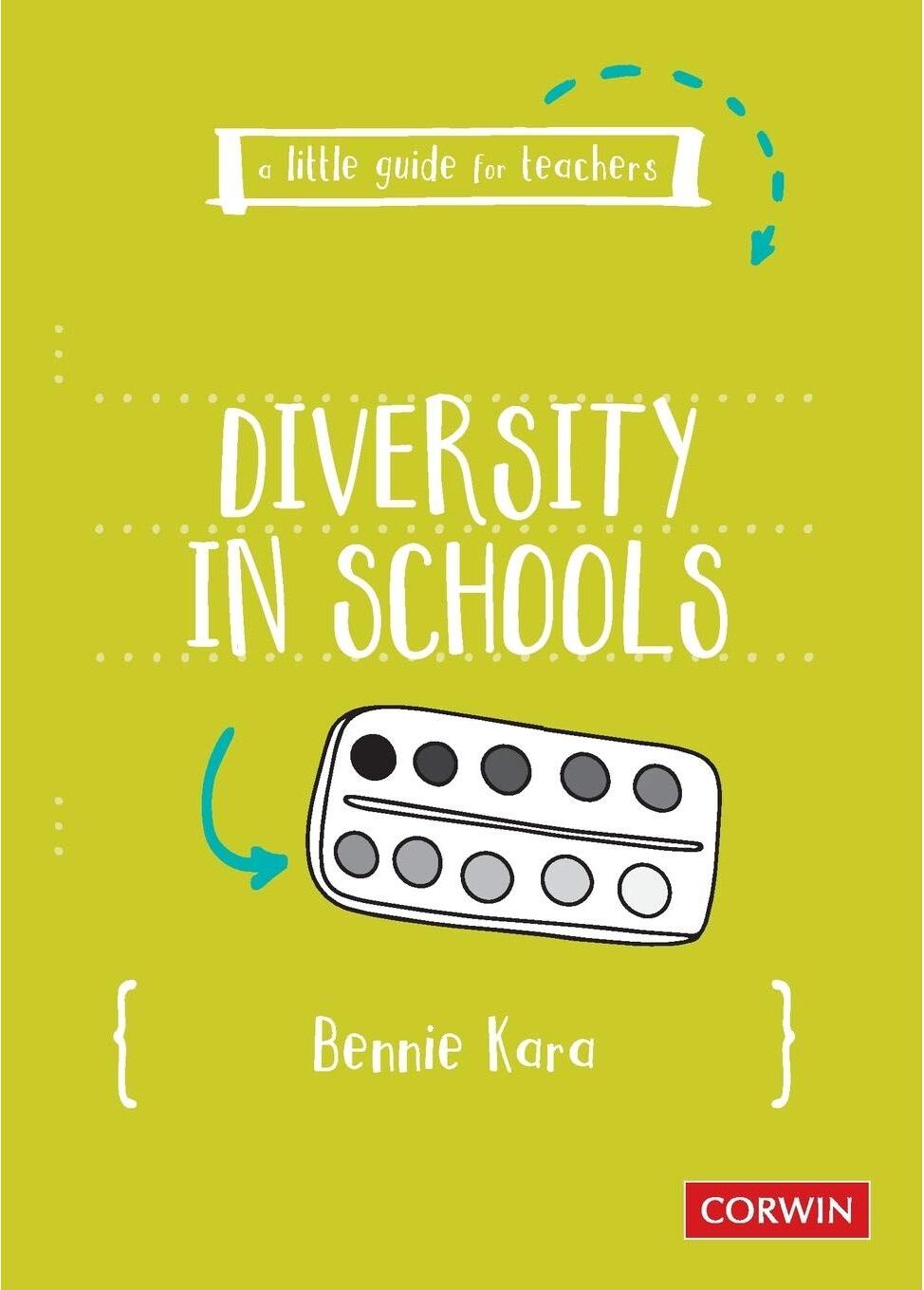
SAGE Publications A Little Guide for Teachers: Diversity in Schools (A Little Guide for Teachers)A Little Guide for Teachers: Diversity in Schools aims to provide starting points for teachers and leaders in creating a curriculum, either across disciplines or within subjects, that is as deep and diverse as their students. The Little Guide for Teachers series is little in size but BIG on all the support and inspiration you need to navigate your day to day life as a teacher. · Authored by experts in the field · Easy to dip in-and-out of · Interactive activities encourage you to write into the book and make it your own · Fun engaging illustrations throughout · Read in an afternoon or take as long as you like with it!12,99 £*Shipping: 2,99 £Secure redirect to the provider
-
L'Oreal Professionnel L'Oréal Professionnel Serie Expert Curl Expression 10 in 1 Benefits MSave on your favourite hair mousse with this exclusive double pack. Curl Expression 10 in 1 Benefits Mousse is a multi-benefit styling mouse designed to define and nourish curls and coils. The formula boasts unbeatable hydration for perfect hold and care and locks in essential moisture while providing game-changing definition, for endless weightless styles. Benefits: 1 Intensely hydrates curls and coils. 2 Makes hair more defined*. 3 Strengthens the hair fibre. 4 Protects hair against humidity. 5 Protects hair against heat, up to 230 C/450 F**. 6 Smooths hair. 7 Easy application. 8 Makes hair feel supple. 9 Protects hair from friction. 10 Works with multiple styling routines. Ingredients: AQUA / WATER / EAU ‚ ISOBUTANE ‚ CETEARYL ALCOHOL ‚ BUTANE ‚ GLYCERIN ‚ PROPANE ‚ POLYSORBATE 20 ‚ BEHENTRIMONIUM CHLORIDE ‚ PHENOXYETHANOL ‚ CETYL ESTERS ‚ ISOPROPYL ALCOHOL ‚ ETHYLHEXYLGLYCERIN ‚ SODIUM CITRATE ‚ HYDROXYETHYL UREA ‚ LIMONENE ‚ BENZYL SALICYLATE ‚ BENZYL ALCOHOL ‚ HIBISCUS ESCULENTUS SEED EXTRACT ‚ TOCOPHEROL ‚ PARFUM / FRAGRANCE. N285078/1.44,80 £*Shipping: 0,00 £Secure redirect to the provider
-
Why is agriculture dangerous?
Agriculture can be dangerous due to the use of heavy machinery and equipment, exposure to harmful chemicals such as pesticides and fertilizers, and working in extreme weather conditions. Additionally, working with livestock can pose risks of injury from kicks, bites, or trampling. The physical demands of agricultural work can also lead to musculoskeletal injuries and long-term health issues. **
-
What is conventional agriculture?
Conventional agriculture refers to the traditional method of farming that relies heavily on synthetic fertilizers, pesticides, and herbicides to maximize crop yields. It often involves monoculture, where a single crop is grown on a large scale, and mechanized farming practices. While conventional agriculture has helped increase food production to meet the demands of a growing population, it has also been criticized for its negative impacts on the environment, such as soil degradation, water pollution, and loss of biodiversity. **
-
Should the focus in geography be more on agriculture or urban development?
The focus in geography should be balanced between agriculture and urban development. Both are critical aspects of human geography and have significant impacts on the environment, economy, and society. Understanding the complexities of agricultural systems and their relationship with the environment is essential for sustainable food production and land use. Similarly, studying urban development is crucial for understanding the dynamics of population growth, infrastructure, and the impact of human activities on the environment. Therefore, a balanced approach that considers both agriculture and urban development is necessary for a comprehensive understanding of geographical processes and their implications. **
-
What is done in agriculture?
In agriculture, various activities are carried out to produce food, fiber, and other products. This includes preparing the soil for planting, sowing seeds or planting seedlings, applying fertilizers and pesticides to promote plant growth and protect against pests and diseases, irrigating the crops, and harvesting the mature crops. Additionally, farmers also engage in activities such as animal husbandry, managing livestock, and maintaining the overall health and productivity of the farm. Overall, agriculture involves a range of tasks aimed at cultivating and producing crops and livestock for human consumption and use. **
* All prices are inclusive of VAT and, if applicable, plus shipping costs. The offer information is based on the details provided by the respective shop and is updated through automated processes. Real-time updates do not occur, so deviations can occur in individual cases. ** Note: Parts of this content were created by AI.